 Introduction: The New Money Reality in Nigeria
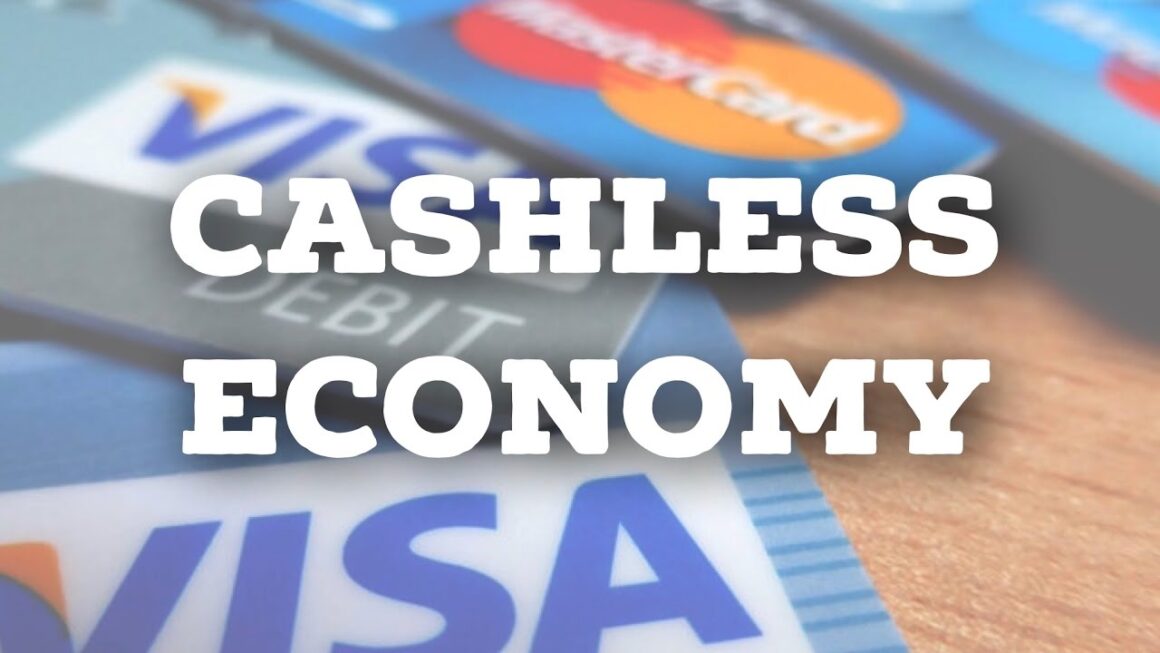
The way Nigerians handle money has changed dramatically in just a few years. From the fuel station to the food vendor, cash is no longer king—digital payments rule. The Central Bank of Nigeria’s push toward a cashless economy, coupled with fintech innovation, has made bank transfers, USSD codes, and mobile wallets the new normal.
At first glance, this seems like progress. Payments are faster, safer, and more convenient. But here’s the flip side: it’s easier than ever to overspend. When you’re not physically handing over naira notes, money feels less “real.” That psychological disconnect is costing many Nigerians their financial stability.
This is where budgeting comes in. Budgeting has always been about control—telling your money where to go instead of wondering where it went. But in a cashless economy, traditional budgeting methods no longer cut it. That’s why Nigerian finance companies are stepping up with digital tools, apps, and strategies designed to help individuals navigate this new world.
This article explores practical budgeting advice tailored to Nigeria’s cashless economy—insights straight from leading finance companies, real-life Nigerian stories, and proven strategies to stay financially stable.
Why Budgeting Feels Harder in a Cashless Economy
In the days of cash-based living, budgeting was straightforward: people kept envelopes for rent, food, transport, and other expenses. Once an envelope was empty, spending stopped.
Now, in a cashless system, budgeting feels like navigating a storm without an anchor. Here’s why:
- Invisible Spending
Money leaves your account without you seeing it. A ₦2,000 transfer here, ₦5,000 there—it adds up quickly without you noticing. - Impulse Purchases
Online shopping platforms and food delivery apps make spending effortless. A few taps and your money is gone. - Subscription Fatigue
Netflix, Apple Music, data auto-renewals, and other recurring charges silently drain accounts. Nigerians often forget these deductions until balances run dry. - Scattered Transactions
Between bank apps, fintech wallets, and USSD codes, tracking every kobo becomes overwhelming. - Psychological Detachment
Studies show that people spend more when paying digitally than with cash. That’s because you don’t feel the “pain” of parting with physical notes.
The result? Nigerians are earning but not building wealth—living cashless yet cash-strapped.
The Role of Nigerian Finance Companies
Recognizing these challenges, finance companies have developed products to restore discipline in the digital age. Their tools don’t just make payments possible; they make budgeting practical.
Key Services They Provide
- Digital Budgeting Apps
Platforms like Kuda and Carbon categorize your expenses automatically—transport, bills, food, and entertainment. This gives you visibility into where your money is going. - Automated Savings
PiggyVest and Cowrywise deduct fixed amounts from your account daily, weekly, or monthly before you even touch your salary. - Spending Alerts
Instant notifications for every debit help you stay aware of spending patterns. - Goal-Based Plans
Finance companies encourage Nigerians to set specific targets: emergency funds, school fees, rent, or business expansion. - Micro-Investing
Some apps allow users to round up transactions—for example, a ₦2,750 purchase rounds to ₦3,000, with ₦250 saved automatically.
By embedding budgeting tools into digital finance, these companies are helping Nigerians adapt to a world where money rarely appears as cash.
Comparing Traditional Budgeting vs. Cashless Budgeting
Budgeting in a cashless economy requires different habits and tools than budgeting in a cash-based system. Here’s how the two compare:
| Feature | Traditional Budgeting (Cash) | Cashless Budgeting (Finance Companies) |
|---|---|---|
| Visibility of Money | Physical cash in hand | Digital dashboards and reports |
| Discipline | Manual, envelope system | Automated deductions and savings locks |
| Tracking | Paper or memory | Real-time transaction categorization |
| Flexibility | Rigid, slow to adjust | Flexible, customizable goals |
| Overspending Risk | Moderate | High without digital budgeting tools |
This comparison shows why Nigerians must adopt finance-company-backed budgeting tools to stay afloat in a cashless world.
Practical Budgeting Tips in a Cashless Economy
Budgeting doesn’t have to be complicated. Finance companies recommend practical, actionable steps that anyone—whether salaried, self-employed, or a student—can use.
1. Automate Your Savings
- Set up automatic deductions as soon as your salary hits.
- Example: Deduct ₦10,000 monthly into a locked PiggyVest account for emergencies.
- Treat savings like a bill—non-negotiable.
2. Track Every Kobo
- Use apps that consolidate your spending into categories.
- Review weekly reports to identify wasteful spending.
3. Apply the 50/30/20 Rule
- 50% on needs (food, housing, transport).
- 30% on wants (entertainment, dining).
- 20% on savings/investments.
4. Review Subscriptions Regularly
- List every recurring payment (Netflix, Spotify, data).
- Cancel unused or duplicate services.
5. Separate Needs from Wants
- Ask: “Do I need this now, or do I want it?”
- Delay gratification—wait 24 hours before making non-essential purchases.
Advice from Finance Companies on Digital Overspending
Finance companies know that budgeting in a cashless economy requires self-control plus digital tools.
Their Top Recommendations:
- Use savings locks: Apps that restrict early withdrawals discourage impulse spending.
- Set category caps: For example, cap dining out at ₦20,000 per month.
- Embrace micro-savings: Save as little as ₦100 daily; small steps add up.
- Use alerts wisely: Enable instant debit notifications for every transaction.
By reinforcing accountability, finance companies help Nigerians resist the “swipe and regret” lifestyle.
Real-Life Lessons from Nigerians
Chika, the IT Consultant
Chika used to lose track of multiple card transactions. After linking her accounts to Kuda, she discovered she was spending ₦30,000 monthly on delivery fees. She switched to home cooking and redirected savings into her emergency fund.
Musa, the Small Business Owner
Musa automated ₦2,000 daily savings on Cowrywise. By year’s end, he had over ₦700,000—a cushion that helped him survive fuel scarcity price hikes without taking loans.
Ifeoma, the Student
Ifeoma used an app that rounded up every purchase. In one semester, she saved ₦50,000 without realizing it—money she later used for textbooks.
These stories highlight how discipline plus technology transforms money habits.
Overcoming Psychological Spending Triggers
Budgeting isn’t just financial—it’s psychological. Nigerians must watch out for hidden triggers:
- Peer Pressure Online
Social media flaunts lifestyles, making you feel left behind. Resist copying trends. - Lifestyle Inflation
Salary increases often lead to spending more instead of saving more. - Discount Temptations
Online “flash sales” push impulse buys. Stick to your budget.
Finance companies encourage awareness—if you know your triggers, you can budget around them.
Why Many Nigerians Fail Without Digital Budgeting Tools
The shift toward a cashless economy in Nigeria has made financial literacy and discipline more important than ever. Yet, many Nigerians continue to struggle with money management because they are not leveraging digital budgeting tools. Below are some extensive reasons why financial failures are common without these tools.
1. Lack of Real-Time Financial Tracking
Without digital budgeting apps, most Nigerians rely on memory or manual record-keeping. This creates blind spots:
- People forget small daily expenses like data subscriptions, transport, or quick snacks.
- They realize too late that these “little” expenses add up to a huge portion of their monthly income.
- With inflation and rising living costs, not having real-time updates often means overspending before payday.
Digital budgeting apps solve this by syncing with bank accounts or fintech wallets, providing instant alerts on spending.
2. Poor Expense Categorization
Many Nigerians struggle to differentiate between needs and wants. Without digital tracking tools:
- Rent, school fees, or electricity bills may compete with online shopping or impulsive Jumia/Instagram buys.
- Manual budgeting lacks the structure to categorize and analyze these expenses effectively.
Budgeting apps automatically classify expenses into categories like housing, transport, food, entertainment, making it easier to spot where money leaks out.
3. Inconsistent Saving Habits
One of the biggest challenges is saving. Without digital automation:
- Many Nigerians wait until “something is left” at month’s end — but often, nothing is left.
- Emergencies or impulsive purchases drain whatever little cash was meant for savings.
Digital budgeting tools usually have autosave features that deduct small amounts before spending begins, instilling financial discipline.
4. Emotional and Impulsive Spending
Cashless payments make it easy to swipe or transfer without thinking. Without tools that set spending limits:
- People underestimate how much they spend weekly.
- Emotional triggers (sales promos, peer pressure, or family obligations) lead to unplanned expenses.
Budgeting apps provide warnings when you approach your budget limit, acting like a “digital conscience.”
5. Inability to Track Debt and Loans
Nigeria’s economy has driven many to borrow from banks, finance companies, or loan apps. Without tracking tools:
- Borrowers forget repayment dates, leading to penalties.
- They juggle multiple loans without seeing the full debt picture.
Digital budgeting tools consolidate all debts in one place, showing balances and due dates, preventing debt traps.
6. Over-Reliance on Salary Alone
Most Nigerians live paycheck-to-paycheck. Without budgeting apps, many fail to:
- Identify opportunities to cut expenses.
- Allocate money for side hustles or investments.
- Prepare for job loss or delayed salary payments.
Digital budgeting apps help with goal setting, ensuring portions of income are directed toward growth, not just survival.
7. No Long-Term Financial Planning
Without structured tools:
- People focus only on immediate bills, ignoring bigger goals like house ownership, retirement, or children’s education.
- Inflation silently eats into savings kept in regular accounts.
Budgeting tools allow Nigerians to plan years ahead, set milestones, and track progress, creating a culture of financial foresight.
8. Peer and Family Financial Pressure
Nigeria’s communal culture means constant financial requests from family and friends. Without budgeting tools:
- People over-commit without realizing the long-term effect.
- Borrowing from fintech loan apps to meet social obligations becomes a cycle.
Budgeting apps reveal the actual effect of these pressures and help set limits for generosity without self-destruction.
9. Lack of Accountability
When financial decisions are made without data, accountability is weak. Without digital tools:
- Nigerians justify overspending with “God will provide” or “I’ll sort it later.”
- Many don’t revisit their past spending to correct future mistakes.
Digital apps provide monthly reports and analytics, making people accountable to themselves.
10. Difficulty Adapting to the Cashless Economy
With Nigeria’s increasing push for digital payments (POS, transfers, fintech apps), cash-only tracking no longer works. Without digital tools:
- People lose sight of transfers and e-wallet transactions.
- It becomes impossible to calculate net inflows and outflows across multiple digital platforms.
Budgeting tools integrate with banks, fintech apps, and e-wallets, giving a unified financial picture.
In summary, many Nigerians fail without digital budgeting tools because they rely on memory, live impulsively, lack savings discipline, ignore debts, and fail to plan long-term. Digital budgeting apps act as financial coaches — keeping spending in check, automating savings, and ensuring accountability.
How to Get Started with Digital Budgeting
Starting your journey with digital budgeting may feel intimidating at first. With so many apps, finance companies, and money management tools available, it’s easy to get overwhelmed. But here’s the truth: budgeting digitally is not complicated—it’s about taking small, intentional steps that transform the way you handle money.
The Nigerian economy is increasingly cashless. That means your money is moving through apps, transfers, and cards, not cash envelopes. To survive and thrive, you need a system that keeps track of every kobo, builds savings automatically, and helps you stay in control. That system is digital budgeting.
Here’s a step-by-step breakdown of how to begin:
Step 1: Choose a Trusted Finance Company or App
Not all budgeting apps are created equal. In Nigeria, the safest way to start is by choosing regulated finance companies and well-known fintech apps. The Central Bank of Nigeria (CBN) supervises these companies, ensuring compliance and security.
Popular Options in Nigeria:
- PiggyVest – Ideal for automated savings and locked accounts.
- Cowrywise – Perfect for goal-based savings and investment plans.
- Kuda Bank – Known for expense categorization and real-time reports.
- Carbon – Great for combining budgeting with credit management.
- RiseVest or Bamboo – For those who want to include investments alongside budgeting.
👉 Tip: Avoid apps without strong reviews or CBN licensing. Safety comes first.
Step 2: Define Your Financial Goals Clearly
Digital budgeting is not just about tracking expenses—it’s about achieving specific financial goals. Without clear goals, even the best app won’t help.
Ask yourself:
- Do I want to save for rent or school fees?
- Am I building an emergency fund (3–6 months of expenses)?
- Do I want to pay off debt?
- Am I planning for investment opportunities?
Practical Example:
Ngozi, a 32-year-old nurse, started digital budgeting with the goal of saving ₦500,000 for a postgraduate program. By automating ₦1,500 daily on Cowrywise, she achieved her target in under a year—something she thought was impossible with manual savings.
👉 Tip: Start with short-term goals (like monthly rent or emergency funds) before moving to long-term investments.
Step 3: Automate Your Savings
The biggest budgeting challenge is self-discipline. Finance companies solve this with automation. Once you link your account, you can schedule deductions: daily, weekly, or monthly.
Why Automation Works:
- You don’t rely on willpower.
- Savings happen before you spend.
- You build consistency without stress.
Example Plan:
- Daily savings: ₦500 → ₦15,000 monthly.
- Weekly savings: ₦5,000 → ₦20,000 monthly.
- Monthly savings: ₦30,000 → ₦360,000 yearly.
Automation turns small contributions into big results.
👉 Tip: Begin with an amount you won’t miss. Even ₦200 daily builds up to ₦73,000 in a year.
Step 4: Categorize and Track Your Spending
Cashless spending often feels invisible. You tap, transfer, and swipe without realizing how much is gone. That’s why categorization is critical.
Most finance apps automatically group expenses into:
- Food & Groceries
- Transportation
- Bills & Subscriptions
- Entertainment
- Savings & Investments
Why This Matters:
- You see where money leaks (e.g., ₦25,000 monthly on food delivery).
- You can set category limits (like ₦15,000 max on eating out).
- You identify areas to cut back without affecting essentials.
👉 Tip: Review your spending reports every Sunday. Weekly check-ins help you course-correct faster than waiting until month’s end.
Step 5: Set Spending Alerts and Limits
Overspending is the number one problem in a cashless economy. Nigerian finance companies counter this with spending alerts and caps.
How It Works:
- You receive instant SMS or app notifications for every debit.
- You can set limits for categories (e.g., ₦20,000 monthly dining-out cap).
- Once you hit the limit, the app warns you—or blocks further spending.
Practical Example:
Emeka, a young professional, used Kuda’s spending cap feature. He limited his nightlife budget to ₦10,000 monthly. Within three months, he redirected ₦60,000 into his emergency fund.
👉 Tip: Turn on ALL notifications—even small transactions add up over time.
Step 6: Review and Adjust Regularly
Budgeting is not static. Prices change, salaries fluctuate, and emergencies happen. Digital budgeting works best when you review and adjust monthly.
Checklist for Monthly Review:
- Did I stay within my set limits?
- Which category overshot the budget?
- Can I increase savings next month?
- What expenses can I cut completely?
Example:
If transport costs jump because of fuel scarcity, you may need to adjust your entertainment budget downward to balance things out.
👉 Tip: Schedule one budgeting review session each month—make it a ritual like paying bills.
Step 7: Start Small, Stay Consistent
Most Nigerians abandon budgeting because they set unrealistic targets. Don’t aim to save ₦500,000 in a month if your salary is ₦100,000. Instead, start small.
Formula That Works:
- Save small, consistent amounts.
- Increase gradually as your income grows.
- Focus on building the habit, not just the balance.
Remember, budgeting is a marathon, not a sprint.
Real-Life Success Stories of Nigerians Who Started Digital Budgeting
- Chidi, 29 (Banker) – Automated ₦2,000 daily savings with PiggyVest. Built a ₦720,000 emergency fund in one year, which saved him during job loss.
- Halima, 35 (Entrepreneur) – Used Kuda to track business vs. personal expenses. She realized she was mixing funds, corrected it, and now reinvests profits effectively.
- Victor, 23 (Student) – Saved ₦200 daily using Cowrywise. Bought a new laptop for school within 8 months without borrowing from family.
These stories prove digital budgeting isn’t just theory—it works when applied consistently.
Common Mistakes Beginners Make (and How to Avoid Them)
- Setting goals too high – Start small.
- Turning off alerts – Keep all notifications on.
- Mixing business with personal money – Always separate accounts.
- Ignoring inflation – Adjust goals as prices rise.
- Not reviewing progress – Budgeting without reflection is just recording.
👉 Avoiding these mistakes ensures your budgeting journey is sustainable.
Bottom Line
Getting started with digital budgeting in Nigeria doesn’t require being a financial expert. All it takes is:
- Picking a trusted finance company.
- Defining clear financial goals.
- Automating savings and tracking spending.
- Setting limits and reviewing progress consistently.
In a cashless economy, these steps are no longer optional—they’re survival strategies. The Nigerians who embrace digital budgeting today will be the ones with financial freedom tomorrow.
What Happens If You Don’t Budget in a Cashless Economy
Without a budget, the convenience of cashless spending quickly becomes a curse. Here’s what happens:
- Debt traps: Quick loans fill gaps when overspending catches up.
- Financial anxiety: Every debit alert feels like a mini heart attack.
- Asset liquidation: People end up selling land, cars, or jewelry to meet obligations.
- Missed opportunities: With no savings, you can’t invest in profitable ventures.
- Dependency: Borrowing from friends and family becomes constant, damaging relationships.
In short: without budgeting, cashless convenience turns into financial chaos.
Final Thoughts: Control Your Money Before It Controls You
Nigeria’s cashless economy isn’t going away. While it offers speed and convenience, it also demands stronger budgeting discipline. Finance companies have made this easier by offering apps, savings locks, expense trackers, and automation tools.
Budgeting in this new system is no longer optional—it’s survival. The Nigerians who thrive will be those who combine financial discipline with digital solutions. Don’t wait until you’re cashless and broke—start budgeting smarter today.
For further reading on how digital finance transforms economies, check out McKinsey’s analysis of digital finance growth.
FAQs
1. Why is budgeting more important in a cashless economy?
Budgeting is crucial in a cashless economy because digital payments make it easy to spend without noticing. Unlike cash, where you physically see money leaving your hands, transfers and card swipes feel less tangible. Without a clear budget, Nigerians risk overspending, falling into debt, and failing to meet savings goals.
2. What digital budgeting tools are recommended by Nigerian finance companies?
Leading Nigerian finance companies often recommend mobile apps and fintech platforms such as PiggyVest, Cowrywise, Kuda, and Carbon. These tools allow users to track expenses, set savings targets, receive alerts, and even automate investments. They make money management seamless in a cashless environment.
3. How can I control impulsive spending with digital budgeting tools?
Most budgeting apps allow you to set spending limits per category (e.g., transport, food, entertainment). When you approach your limit, you get instant notifications, acting like a financial “speed bump.” Some platforms also offer virtual vaults that lock away funds until a set date, preventing impulse withdrawals.
4. Can budgeting apps help me manage loans and debt repayments?
Yes. Many digital tools include features for debt tracking. They remind users of repayment dates, calculate interest, and show the percentage of income going toward debt. This ensures Nigerians avoid late fees, reduce borrowing costs, and gradually move toward debt-free living.
5. What practical advice do Nigerian finance companies give for beginners in digital budgeting?
Finance experts advise Nigerians to start simple:
- Track all expenses for at least one month.
- Separate needs (rent, food, electricity) from wants (shopping, entertainment).
- Use the 50/30/20 rule (50% needs, 30% wants, 20% savings/investments).
- Automate savings immediately after salary hits your account.
- Regularly review reports to spot financial leaks and make adjustments.