
Introduction: Why Financial Literacy by 30 is Non-Negotiable
By the time you hit 30, your financial world becomes more complex. Student loans, rent or mortgage, insurance, taxes, investments, and retirement planning—these decisions pile up quickly. Without financial literacy, it’s easy to make costly mistakes that delay your financial freedom.
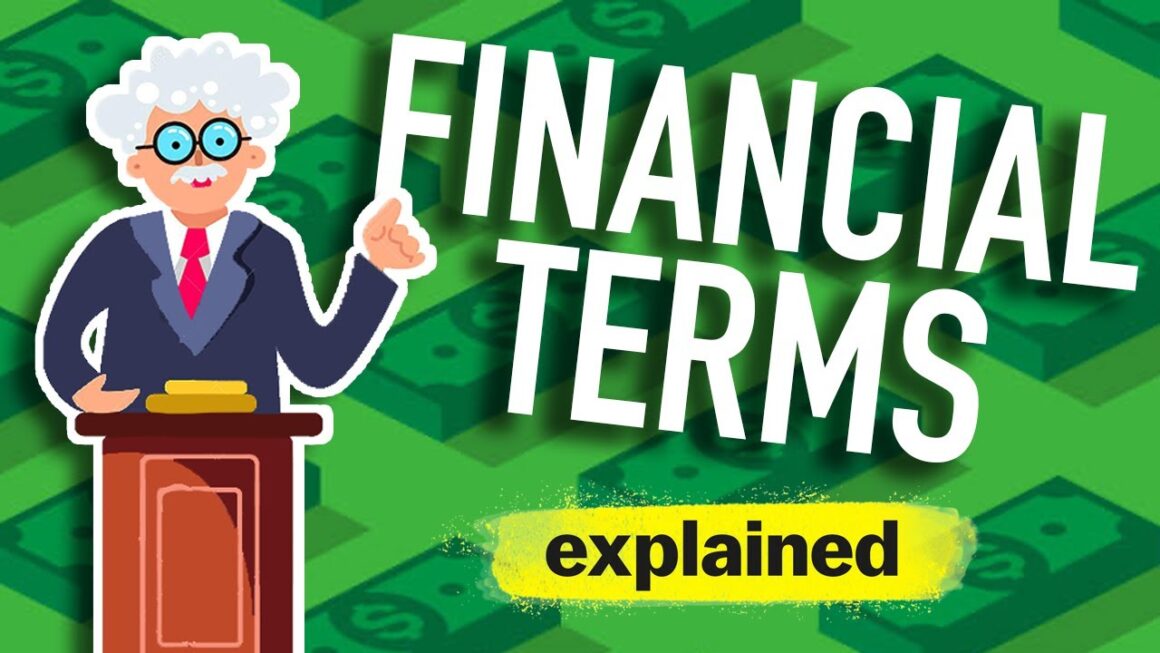
Understanding key financial terms doesn’t just make you sound smart at the dinner table—it empowers you to make informed decisions that impact your life for decades. This guide unpacks essential terms you must know by 30, explained in plain English, and tailored for readers in Canada and the USA.
1. Net Worth – Your Financial Scorecard
Your net worth is the difference between what you own (assets) and what you owe (liabilities).
- Assets: Cash, real estate, stocks, retirement accounts, cars.
- Liabilities: Mortgages, credit card balances, student loans, car loans.
Formula:
Net Worth = Assets – Liabilities
This number shows whether you’re moving toward wealth or sinking in debt. Tracking it yearly helps you adjust spending, investing, or debt repayment.
2. Credit Score – The Key to Borrowing Power
A credit score is a three-digit number that lenders in Canada and the USA use to judge your reliability.
- Ranges: 300–850 (USA), 300–900 (Canada).
- Good Score: 670+ opens doors to better loan terms.
Your score affects everything—car loans, mortgages, even job applications. Learn how to check and improve it through responsible credit card use and timely payments.
👉 See how **credit scores work in the U.S. for deeper insights.
3. Compound Interest – The Magic of Time
Einstein supposedly called it the “eighth wonder of the world.” Compound interest makes your money grow by earning interest on both your principal and the interest already earned.
Example:
- $1,000 invested at 8% annually becomes $2,159 in 10 years.
- That’s without adding extra money—just compounding at work.
This principle works for you when investing, and against you with credit card debt.
4. Inflation – The Silent Wealth Killer
Inflation is the gradual increase in prices over time. A $5 coffee today may cost $7 in ten years.
- Canada & USA target: Around 2% yearly.
- Reality in crises: It can spike, eroding your purchasing power.
Knowing this helps you realize why keeping cash under a mattress isn’t safe. Investments that outpace inflation (like index funds) protect your wealth.
5. Emergency Fund – Your Safety Net
By 30, you need at least 3–6 months of living expenses in an emergency fund.
- Covers: Job loss, medical bills, urgent car/home repairs.
- Where: High-yield savings account, not under your pillow.
Without one, you risk falling into credit card debt or payday loans during crises.
6. Assets vs. Liabilities – Don’t Confuse Them
A classic financial trap is confusing liabilities with assets.
| Assets (Build Wealth) | Liabilities (Drain Wealth) |
|---|---|
| Stocks & Bonds | Credit Card Debt |
| Real Estate (Rental) | Car Loans |
| Retirement Accounts | Payday Loans |
| Businesses | High-Interest Mortgages |
Knowing the difference guides you to buy things that pay you back, not just cost you.
7. Debt-to-Income Ratio – How Lenders See You
The debt-to-income (DTI) ratio compares your monthly debt payments to your gross monthly income.
Formula:
DTI = (Monthly Debt Payments ÷ Gross Monthly Income) × 100
- Good: Below 36%.
- Warning Zone: Above 43%.
Banks use this when approving mortgages. Keeping DTI low means you’ll qualify for better interest rates.
8. Equity – Ownership That Builds Wealth
Equity is the value of an asset you own minus what you owe on it.
- Home Equity: If your house is worth $300,000 and you owe $200,000, equity = $100,000.
- Stock Equity: The value of shares you own outright.
Equity is wealth you can borrow against or sell, but don’t confuse it with liquid cash.
9. Retirement Accounts – Planning for Future You
By 30, you should know how retirement accounts differ in Canada and the USA:
- USA: 401(k), Roth IRA, Traditional IRA.
- Canada: RRSP (Registered Retirement Savings Plan), TFSA (Tax-Free Savings Account).
These accounts provide tax benefits and long-term compounding. Learn to maximize employer matches (USA 401k) or annual contribution limits (Canada’s TFSA).
👉 Learn more about **Canada’s TFSA here.
10. Diversification – Don’t Put All Eggs in One Basket
Diversification spreads your investments across different assets to reduce risk.
- Stocks + Bonds + Real Estate = Safer Portfolio.
- Avoid going “all in” on trendy assets like crypto.
Think of it as your financial shield against market downturns.
11. Liquidity – Cash When You Need It
Liquidity is how easily an asset can be turned into cash.
- High Liquidity: Savings accounts, stocks.
- Low Liquidity: Real estate, collectibles.
This matters because emergencies demand quick access to money.
12. ROI (Return on Investment) – Measuring Profitability
ROI tells you how much you gained compared to what you invested.
Formula:
ROI = (Net Profit ÷ Cost of Investment) × 100
Example: Invest $5,000 in stocks, sell at $6,500. ROI = 30%.
High ROI is good, but risk levels should always be considered.
13. Risk Tolerance – Know Your Limits
Risk tolerance is your ability and willingness to handle investment losses.
- High tolerance: Young, stable income, can invest in stocks.
- Low tolerance: Close to retirement, prefer bonds.
Understanding this prevents panic selling when markets dip.
14. FICO vs. VantageScore – Two Credit Models
In the USA, lenders use two main scoring systems:
- FICO: The most widely used.
- VantageScore: Gaining popularity but not accepted everywhere.
Canada has its own scoring ranges, but the principle is the same—pay bills on time, keep utilization low.
15. Budgeting – Your Daily Money GPS
Budgeting helps you direct your income toward needs, wants, savings, and debt.
Popular methods:
- 50/30/20 Rule: 50% needs, 30% wants, 20% savings/debt.
- Zero-Based Budgeting: Every dollar gets a job.
Without a budget, money slips away unnoticed.
16. Tax Brackets – Why More Income Doesn’t Mean Losing More
In Canada and the USA, income taxes are progressive.
- Only the income in each bracket is taxed at that rate.
- Example: Earning $60,000 doesn’t mean all is taxed at the higher rate—only the portion above the threshold.
This knowledge kills the myth that “making more money isn’t worth it.”
17. APR vs. APY – Small Letters, Big Impact
- APR (Annual Percentage Rate): Interest on loans.
- APY (Annual Percentage Yield): Interest on savings, with compounding.
Always compare APY when saving and APR when borrowing.
18. Insurance Terms – Premium, Deductible, Copay
Insurance jargon often confuses people. By 30, know these:
- Premium: Your monthly payment.
- Deductible: What you pay before insurance kicks in.
- Copay: Fixed amount for services (common in health insurance).
These terms impact your healthcare and auto insurance decisions.
19. Dollar-Cost Averaging – Stress-Free Investing
Dollar-cost averaging means investing a fixed amount regularly regardless of market conditions.
- Smooths out volatility.
- Removes emotion from investing.
Perfect for retirement accounts and long-term wealth building.
20. Financial Independence – The End Goal
By 30, you should know about FIRE (Financial Independence, Retire Early). While not everyone retires at 40, the principles—saving aggressively, investing wisely, living below means—are universal.
Conclusion: Build Financial Confidence, Not Just Knowledge
Financial literacy by 30 isn’t about being perfect—it’s about building confidence and avoiding costly mistakes. These terms help you navigate credit, investments, debt, and planning with clarity. The earlier you understand them, the sooner you’ll achieve financial independence and stability.
FAQs
1. What’s the most important financial term to know by 30?
Net worth. It’s your overall financial health in one number.
2. Should I pay off debt or invest first?
Pay high-interest debt first, then invest for growth.
3. How much should I save in an emergency fund?
Aim for 3–6 months of living expenses.
4. Do I need a retirement account in my 20s?
Yes. The earlier you start, the more compounding works for you.
5. What’s the biggest mistake people make with credit?
Carrying high balances. It destroys credit scores and accumulates interest fast.