
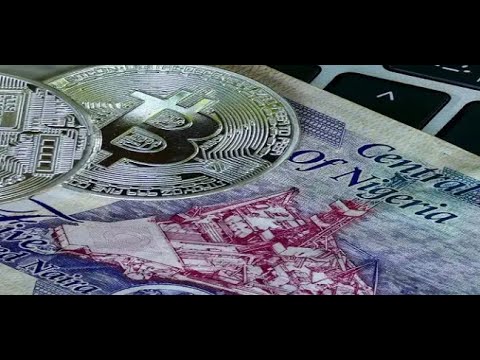
 Introduction: The New Face of Money in Nigeria
From Naira to Bitcoin, Nigeria is undergoing a financial transformation that was once unimaginable. For years, the Naira has been plagued by inflation, devaluation, and trust issues with local banks. At the same time, Bitcoin and other cryptocurrencies have emerged as a lifeline for many Nigerians seeking stability, faster transactions, and a hedge against economic uncertainty.
But with every opportunity comes risk. The rise of crypto adoption in Nigeria has also unleashed fraudulent platforms, Ponzi schemes, and financial losses for unsuspecting investors. Many people have learned the hard way that crypto is not a guaranteed ticket to wealth.
This is where finance companies are changing the game. By introducing regulated, user-friendly, and secure ways to invest in digital assets, they are bridging the gap between everyday Nigerians and the global crypto economy. The result? A safer and more structured pathway for investment that is reshaping how Nigerians engage with money.
In this article, we’ll break down:
- Why Nigerians are turning to Bitcoin over the Naira.
- The risks of unregulated crypto trading.
- How finance companies are making crypto safer.
- The role of regulation in shaping the future.
- Case studies and success stories of Nigerians benefiting.
- Global best practices that Nigeria can learn from.
By the end, you’ll see how finance companies are not just offering alternatives but are building trust in the digital future of finance.
Why Nigerians Are Turning to Bitcoin Over the Naira
Nigeria has one of the highest crypto adoption rates globally, and it’s not by accident. The factors fueling this trend are deeply rooted in the nation’s economic realities.
1. Inflation and Naira Devaluation
The Naira has lost a significant portion of its value against the dollar. Everyday goods—fuel, food, clothing—become more expensive, leaving citizens frustrated. Bitcoin acts as a hedge, allowing people to protect wealth against inflation.
Example: A trader who held ₦100,000 in 2020 lost purchasing power by 40% due to inflation. But if the same trader had invested in Bitcoin, their wealth would have grown despite volatility.
2. Youth Unemployment and Digital Innovation
With over 60% of Nigeria’s population under 25, many young people are exploring digital opportunities. Crypto offers them new pathways—trading, freelancing payments, and even investments in NFTs.
3. Global Remittances
Nigeria is one of the largest remittance markets in Africa. Traditional methods (Western Union, MoneyGram) charge high fees. Crypto provides a cheaper, faster way to send and receive money internationally.
4. Financial Inclusion
Millions of Nigerians remain unbanked. For them, setting up a crypto wallet through finance companies is far easier than opening a bank account.
📊 Quick Stat: Nigeria ranks among the top 10 countries worldwide for crypto adoption, according to Chainalysis.
The Risks of Unregulated Crypto Trading
As much as crypto is empowering Nigerians, unregulated systems pose significant risks.
1. Ponzi Schemes and Fake Investment Platforms
Fraudulent platforms lure people with unrealistic promises of 200–500% returns. Many Nigerians have lost life savings chasing these scams.
2. Hacking and Theft
Without secure wallets, investors are vulnerable to hackers. Thousands of dollars can vanish with a single phishing attack.
3. Regulatory Uncertainty
The Central Bank of Nigeria (CBN) has often shifted its stance on crypto. In 2021, it banned banks from servicing crypto-related businesses, creating confusion and mistrust.
4. Volatility
Crypto is highly volatile. A $100 Bitcoin investment can grow to $150 in one week, then drop to $70 the next. Without risk management strategies, this unpredictability becomes devastating.
How Finance Companies Are Making Crypto Safer
Finance companies in Nigeria are stepping up to make crypto safer and accessible. Let’s explore the strategies they use.
1. Regulatory Compliance
They work under Know Your Customer (KYC) and Anti-Money Laundering (AML) guidelines to ensure investor protection.
2. Secure Custodial Wallets
Instead of leaving users vulnerable to hacks, finance companies provide wallets backed by insurance and strong security protocols.
3. Educational Platforms
Some companies run free training sessions on crypto literacy. This ensures people understand risks before investing.
4. User-Friendly Apps
Mobile apps simplify trading. Instead of navigating complex exchanges, Nigerians can buy Bitcoin with just a few taps.
5. Partnerships with Global Exchanges
By linking with platforms like Binance, Coinbase, and Luno, Nigerian finance companies provide access to global liquidity while offering local safeguards.
Naira vs. Bitcoin Investment Options
| Feature | Naira Savings Account | Direct Bitcoin Purchase | Bitcoin via Finance Companies |
|---|---|---|---|
| Stability | Vulnerable to inflation | Highly volatile | Balanced with managed risk |
| Security | Insured by local banks | Exposed to hacks & fraud | Custodial wallets & insurance |
| Accessibility | Easy for account holders | Requires knowledge & wallet | User-friendly mobile apps |
| Returns | 3–6% annually | Unpredictable, high-risk | Managed, safer growth options |
| Regulation | Fully regulated | Largely unregulated | Compliance-driven approach |
This table highlights why finance companies are the bridge between traditional banking and digital finance.
The Role of Regulation: From Fear to Framework
Nigeria’s relationship with crypto has been a rollercoaster:
- 2017–2020: Warnings from CBN about risks of crypto.
- 2021: CBN bans banks from facilitating crypto transactions.
- 2022–Present: Growing conversations around regulated adoption.
Finance companies are helping regulators see the bigger picture. Instead of banning crypto, the focus is shifting to safe adoption and compliance.
The introduction of the eNaira—Nigeria’s digital currency launched by the CBN—is proof that the future is digital. While it is not the same as Bitcoin, it shows that government and digital finance can coexist. You can read more about the project on the CBN eNaira portal.
Success Stories: Nigerians Benefiting from Safe Crypto Access
Finance companies have already helped countless Nigerians succeed:
- Students Abroad – Receive money in Bitcoin, convert to Naira without outrageous fees.
- Small Businesses – Accept crypto payments safely through regulated platforms.
- Retail Investors – Invest in crypto-backed savings plans with moderate, consistent returns.
- Freelancers – Get paid in Bitcoin by international clients, then withdraw securely in Naira.
These stories show that crypto doesn’t have to be chaotic—it can be structured and empowering.
Challenges Still Ahead in Nigeria’s Crypto Investment Journey
Even though finance companies have created safer pathways for Nigerians to invest in crypto, the road ahead is still lined with hurdles that could slow or derail progress. These challenges go beyond just technology—they are rooted in policy gaps, infrastructure deficits, cultural attitudes, and global uncertainties.
Let’s take a closer look at the major challenges Nigeria faces in building a secure and thriving crypto ecosystem.
1. Regulatory Uncertainty: The Elephant in the Room
Nigeria’s regulatory stance on crypto has been inconsistent and unpredictable.
- In 2021, the Central Bank of Nigeria (CBN) issued a directive prohibiting banks from facilitating crypto transactions. This forced many investors underground, where scams and unregulated platforms thrived.
- By 2023, regulators began softening their stance, acknowledging the economic opportunities of crypto adoption. But no clear, comprehensive framework has been established.
This back-and-forth creates fear and confusion among investors and finance companies.
Why it’s a problem:
- Investors hesitate to commit large funds due to fear of sudden bans.
- International partners are wary of working with Nigerian firms.
- Startups in the crypto-finance space face uncertainty when raising capital.
Example: A Nigerian fintech firm that wanted to partner with a global exchange had to delay its launch for 8 months while waiting for regulatory clarity. This delay not only cost them potential clients but also made them lose investor confidence.
Until Nigeria establishes a clear and stable crypto regulatory framework, finance companies will always operate in a state of uncertainty.
2. Infrastructure Deficits: Power and Internet Gaps
Crypto thrives on constant internet access and reliable electricity—two things that Nigeria still struggles with.
- Electricity: Nigeria experiences frequent power outages. For rural areas, blackouts can last days. If investors cannot reliably access their wallets or exchanges, they miss out on trades or risk losing funds.
- Internet Access: According to data from the Nigerian Communications Commission (NCC), internet penetration is about 45% of the population. Millions are still offline, limiting crypto’s reach.
Why it’s a problem:
- Traders in rural areas can’t access platforms consistently.
- Finance companies struggle to onboard users who lack stable internet.
- The digital divide widens wealth inequality—urban youths benefit, rural citizens are left behind.
Example: A small business owner in Abuja can easily use crypto payment apps, but a farmer in Taraba State with poor connectivity can’t, leaving out a large section of the population from this financial revolution.
3. The Awareness and Education Gap
Many Nigerians are still uninformed or misinformed about crypto. While adoption is high, crypto literacy is low.
- People still fall for Ponzi schemes promising outrageous returns.
- Some investors don’t understand the risks of volatility and invest entire life savings.
- Lack of knowledge makes many over-reliant on hearsay, WhatsApp groups, or social media “influencers” who spread half-truths.
Why it’s a problem:
- Scams damage the reputation of the entire industry.
- Low literacy increases the risk of financial loss.
- Fear spreads when people lose money, reducing trust in finance companies.
What’s needed:
- Mass education campaigns led by finance companies.
- Simplified guides and local-language resources to teach safe investing.
- Collaboration with universities to introduce blockchain courses.
Until education catches up with adoption, Nigeria risks building a fragile crypto ecosystem where speculation outweighs informed investment.
4. Trust Deficits: Nigerians’ Skepticism Toward Financial Institutions
For decades, Nigerians have been exposed to fraudulent financial practices, both in the private and public sectors.
- Banks have been accused of hidden charges.
- Ponzi schemes like MMM Nigeria left scars that still linger.
- Some “crypto companies” disappeared overnight with investors’ money.
This has created a culture of deep mistrust.
Why it’s a problem:
- Even legitimate finance companies struggle to convince Nigerians they are safe.
- Investors prefer to “cash out quickly” rather than commit to long-term plans.
- Word-of-mouth spreads fast—one failure damages industry-wide trust.
Example: A finance company launched a secure custodial wallet product in Lagos. Despite offering insurance, many potential users refused to trust it, fearing it would “vanish” like past scams.
Overcoming this trust gap is one of the toughest hurdles for finance companies. They must build transparency, offer strong customer service, and prove reliability over time.
5. Crypto Volatility and Investor Risk
Unlike traditional savings, crypto assets are inherently volatile.
- In 2021, Bitcoin surged to over $60,000, only to crash to below $20,000 within months.
- Such price swings are devastating for Nigerians who might be using crypto as their only form of savings.
Why it’s a problem:
- New investors panic during dips and sell at losses.
- Finance companies face backlash when customers lose money, even if volatility is beyond their control.
- The perception of crypto as “gambling” grows stronger.
What’s needed:
- Finance companies must emphasize risk management tools like stablecoins, savings products, and diversification.
- Education on long-term strategies rather than “get rich quick” mentalities.
6. Global Regulatory Pressures
Nigeria’s crypto future is not shaped by local policy alone. Global regulations also matter.
- The U.S. SEC crackdown on exchanges affects Nigerians using international platforms.
- European and Asian restrictions influence liquidity and cross-border transactions.
- Global banking rules (AML, KYC) create barriers for Nigerian startups seeking partnerships.
Why it’s a problem:
- Local investors are affected by global crypto “shocks.”
- Nigerian finance companies may lose partnerships if the global climate becomes too restrictive.
- Investors face uncertainty about the future of their funds across borders.
7. Cybersecurity Threats
Crypto is digital—and so are the criminals targeting it.
- Hackers use phishing emails, fake apps, and malware to steal login details.
- Some finance companies, if underfunded, may not invest enough in cybersecurity, leaving users vulnerable.
Why it’s a problem:
- One major breach can wipe out millions.
- Investor confidence collapses after every cyberattack.
- Trust takes years to rebuild once broken.
What’s needed:
- Stronger government frameworks around cybersecurity.
- Mandatory security audits for crypto-finance firms.
- Insurance-backed wallets to cushion losses.
The Bottom Line on Challenges
Nigeria’s crypto journey is full of promise, but also fraught with obstacles. Regulatory uncertainty, poor infrastructure, lack of education, trust issues, volatility, and cybersecurity all stand as roadblocks.
For finance companies to succeed, they must:
- Work with regulators, not against them.
- Educate investors, especially in rural areas.
- Build trust through transparency and accountability.
- Invest in cybersecurity to prevent losses.
- Offer safer products that balance crypto’s risks with Nigeria’s need for stability.
In short, the challenges are real—but they are not insurmountable. With persistence, Nigeria can transform these barriers into stepping stones for becoming Africa’s crypto leader.
Global Best Practices Nigeria Can Adapt
Other countries offer valuable lessons for Nigeria’s journey:
- Singapore – Requires strict licensing for crypto exchanges.
- UAE (Dubai) – Offers tax-friendly frameworks to attract crypto businesses.
- USA – Implements investor protection funds.
- Japan – Enforces strong wallet security rules.
Adopting these practices will help Nigeria position itself as Africa’s crypto hub.
Conclusion: The Future Is Digital, but Safety Comes First
From Naira to Bitcoin, Nigeria is experiencing a financial revolution. Finance companies are showing that crypto investment doesn’t have to be dangerous—it can be safe, structured, and regulated.
By:
- Educating investors,
- Offering secure wallets,
- Partnering with regulators,
- Building trust in digital assets,
they are paving the way for a stronger financial future.
The next chapter of Nigeria’s economy is digital, inclusive, and borderless—and finance companies are the torchbearers.
FAQs
1. Why are Nigerians moving from the Naira to Bitcoin?
Nigerians are turning to Bitcoin because of inflation, currency devaluation, high remittance costs, and the search for better financial security and global access.
2. Are finance companies making crypto investment safe in Nigeria?
Yes. Finance companies provide regulated platforms, insured custodial wallets, user-friendly apps, and investor education, reducing risks of fraud and theft.
3. What risks do Nigerians face in unregulated crypto trading?
The biggest risks include scams, Ponzi schemes, hacking, lack of regulation, and extreme volatility that can wipe out savings quickly.
4. How do finance companies help with crypto education?
They run workshops, publish learning resources, and create in-app guides to teach safe investing practices and risk management strategies.
5. Is Bitcoin regulated in Nigeria?
Currently, Nigeria’s crypto regulation is evolving. The Central Bank discourages unregulated trading, but finance companies operate under compliance frameworks.
6. What is the role of the eNaira in Nigeria’s digital finance future?
The eNaira is Nigeria’s Central Bank Digital Currency (CBDC). It complements, but does not replace, Bitcoin and other cryptocurrencies in the ecosystem.