 Introduction: The Survival Power of a Budget
Money has always been a tricky companion—hard to earn, easy to lose, and even harder to manage. In today’s Nigeria, where prices of food, fuel, and rent climb almost every month, a monthly budget is no longer a nice-to-have; it’s a survival tool. Without one, your income disappears before you realize it.
The budgeting dilemma isn’t unique to Nigeria. Even in Canada and the USA, people face debt traps, lifestyle inflation, and rising living costs. But there’s one major difference—North Americans are surrounded by budgeting tools, financial education programs, and systems that encourage saving and investing. Nigerians, meanwhile, often rely on instinct and cultural survival habits.
That’s why the rise of local finance companies in Nigeria is so important. These institutions are not just lending money; they are creating digital platforms, apps, and advisory services that make budgeting easier, smarter, and more effective.
In this guide, we’ll explore how to create a realistic monthly budget in Nigeria, compare global practices, and show how finance companies are helping Nigerians rethink money management.
Why Budgeting Feels Harder in Nigeria Than Abroad
Let’s be honest—telling a Nigerian earning ₦150,000 to save 20% often sounds unrealistic. Why? Because economic realities are different.
Challenges Unique to Nigerians:
- Irregular income streams: Many Nigerians are freelancers, traders, or small entrepreneurs without fixed salaries.
- Skyrocketing inflation: A bag of rice can double in price within months.
- Weak social safety nets: Unlike in Canada/USA, government support is minimal.
- Cultural obligations: Extended families rely heavily on breadwinners.
- Unexpected shocks: Health emergencies, fuel price hikes, and rent increases derail financial plans.
Meanwhile, in Canada and the USA, workers typically enjoy:
- More stable monthly salaries.
- Access to structured savings and retirement accounts (401k, RRSP).
- Government-funded financial literacy campaigns.
- Employer-matching retirement contributions.
The comparison shows one thing: Nigerians must be more creative, flexible, and disciplined in budgeting than their global counterparts.
Step-by-Step Guide: How to Create a Monthly Budget in Nigeria
Budgeting is not about denying yourself joy—it’s about controlling money so it doesn’t control you. Here’s a step-by-step Nigerian-adapted approach:
1. Track and Calculate Your Total Income
Don’t just think about your salary. Include:
- Monthly wages.
- Side hustles (POS services, tailoring, online freelancing).
- Business profits.
- Remittances from relatives abroad.
Pro Tip: If income is irregular, calculate an average from the last 3–6 months to get a working figure.
2. List All Fixed Expenses
These are the unavoidable bills:
- Rent.
- Transportation.
- Electricity, water, and internet.
- Loan repayments.
- School fees.
Why it matters: In Nigeria, these costs can swallow more than 50% of income. Being honest about them prevents underestimating.
3. Track and Control Variable Expenses
This is where money slips away. Typical Nigerian examples:
- Food and groceries.
- Data subscriptions.
- Fashion, beauty, and personal care.
- Cultural obligations (funerals, naming ceremonies, weddings).
- Entertainment (parties, outings).
Silent killer: Many Nigerians underestimate how much they spend on data, eating out, or transport—small leaks that sink financial ships.
4. Apply a Nigerian-Friendly 60/20/15/5 Budget Rule
The classic 50/30/20 rule works abroad but isn’t realistic here. Local experts recommend this modified model:
- 60% Needs – survival essentials.
- 20% Savings/Investments – emergency funds, PiggyVest, Cowrywise, bonds.
- 15% Wants – shopping, leisure, lifestyle.
- 5% Obligations/Giving – family support, donations, church/mosque contributions.
This ensures cultural realities are considered without destroying financial goals.
5. Use Local Finance Companies for Smart Support
Finance companies in Nigeria are bridging the budgeting gap through apps and financial tools. Examples:
- PiggyVest – helps automate savings and set budget targets.
- Cowrywise – structured investment plans with returns above inflation.
- Kuda Bank – tracks spending and categorizes expenses automatically.
- Renmoney & Carbon – credit services with repayment tracking.
By using these, budgeting becomes digital, transparent, and disciplined.
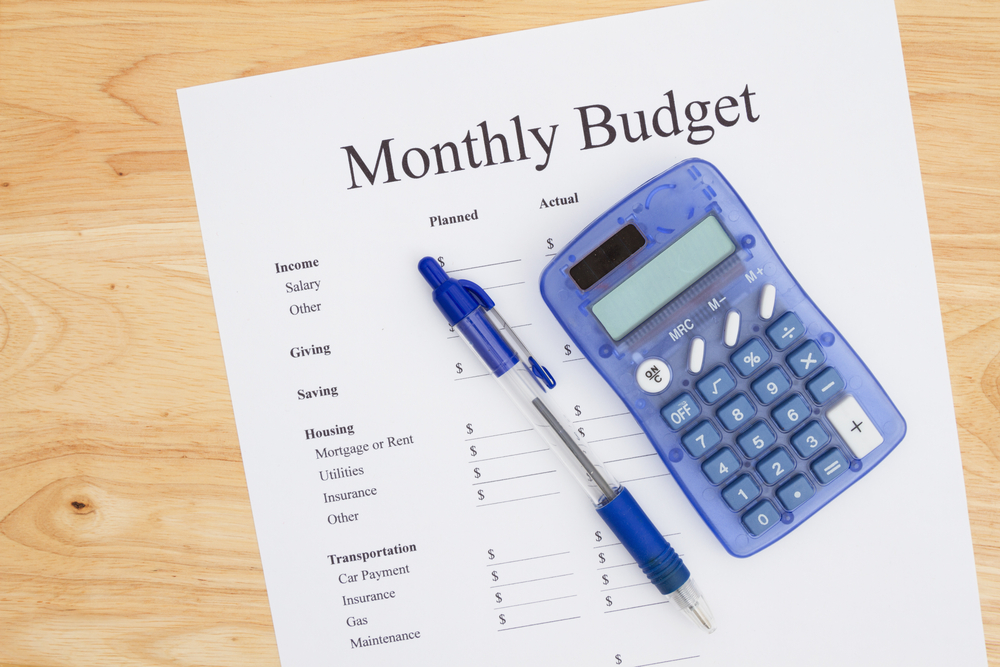
Table: Sample Monthly Budget for a Nigerian Earning ₦250,000
| Category | Percentage | Amount (₦) | How to Manage |
|---|---|---|---|
| Needs (Rent, transport, food) | 60% | 150,000 | Allocate strictly, cut excesses |
| Savings/Investments | 20% | 50,000 | Automate into apps or treasury bills |
| Wants (leisure, shopping) | 15% | 37,500 | Keep under control |
| Obligations/Family Support | 5% | 12,500 | Respect cultural ties but cap limit |
This framework is flexible but disciplined, reflecting Nigerian realities while borrowing global best practices.
Psychological Traps That Destroy Budgets
Budgeting isn’t only about numbers—it’s about mindset. Nigerians, like Canadians and Americans, fall into financial psychology traps:
- Lifestyle inflation: Spending more as soon as income rises.
- Status spending: Buying to impress, not because you need it.
- Cultural guilt: Draining savings to support extended family endlessly.
- Impulse spending: Flash sales, peer pressure, or stress shopping.
Lesson from USA/Canada: They call it “keeping up with the Joneses.” Nigerians face a similar struggle—keeping up with the neighbors.
Lessons Nigerians Can Learn from Canada and the USA
- Pay yourself first: Canadians automate contributions to retirement accounts. Nigerians can auto-save via apps.
- Plan for emergencies: North Americans keep 3–6 months of living expenses. Nigerians can start small (₦5,000 monthly).
- Use budgeting apps: While Americans rely on Mint or YNAB, Nigerians can use PiggyVest and Kuda.
- Cut credit misuse: Credit is abundant in the US/Canada; misuse leads to debt. In Nigeria, loans are costly—use only for business or emergencies.
Common Mistakes Nigerians Make in Budgeting
- Ignoring daily expense tracking.
- Mixing business and personal income.
- Saving in cash-only accounts (inflation kills value).
- Overcommitting to family obligations.
- Using loans to fund lifestyle purchases.
Avoiding these mistakes is the difference between financial freedom and financial frustration.
External Expert Advice
Budgeting advice that works globally includes:
- Track every kobo/cent—no expense is too small.
- Start small with savings, but stay consistent.
- Diversify into investments that beat inflation.
- Use tech tools to build accountability.
Resources like Investopedia’s personal finance guides and Canada’s financial literacy programs provide insights that Nigerians can adapt.
Rethinking Nigerians’ Budgeting Habits: From Survival Mode to Wealth-Building
Budgeting in Nigeria is not just about writing numbers on paper—it’s about shifting deeply ingrained financial habits. Many Nigerians see budgeting as restrictive, unnecessary, or even impossible because of unstable income and cultural pressures. But in truth, budgeting is not a punishment—it’s a tool of freedom and survival.
To truly benefit from a monthly budget, Nigerians must rethink how they see money, savings, spending, and obligations. Below are key areas where habits need reformation.
1. From “Budgeting Is Impossible” to “Budgeting Is Flexible”
Many Nigerians dismiss budgeting with the excuse: “My income is too small or irregular.” But this is a myth. Budgeting is not about perfection—it’s about clarity.
- Old habit: Believing only people with high, stable salaries can budget.
- New habit: Creating a flexible plan that adjusts monthly, even if income varies.
Lesson from Canada/USA: Freelancers and gig workers also face irregular income, yet they budget by planning with averages and prioritizing essentials. Nigerians can adopt the same mindset—budgeting doesn’t require certainty, just discipline.
2. From Cash-Only Mentality to Asset Growth
Most Nigerians equate wealth with cash savings in a bank account. But with inflation devaluing the naira daily, this mindset destroys long-term financial stability.
- Old habit: Keeping all savings in naira, hoping to “watch it grow.”
- New habit: Diversifying into assets that retain or grow value—government bonds, mutual funds, dollar-based savings, or real estate cooperatives.
Lesson from Canada/USA: Households invest through retirement funds, stocks, and property. Nigerians can start small, but the principle is the same: assets create wealth, cash loses value.
3. From Reactive Spending to Proactive Planning
In Nigeria, many people live in a reactionary financial mode—spending money as needs or emergencies arise, with no clear plan.
- Old habit: Waiting for problems before thinking about money.
- New habit: Creating monthly budgets that anticipate needs, set aside for emergencies, and allocate funds before they are spent.
Lesson from Canada/USA: Budgeting apps like YNAB (You Need A Budget) teach people to “give every dollar a job.” Nigerians can do the same by assigning every naira a purpose before spending.
4. From Unlimited Family Giving to Disciplined Generosity
Nigeria’s communal culture is admirable—families and communities support each other. But without boundaries, this generosity can ruin Monthly Budget and personal finances.
- Old habit: Sending most of your salary to extended family and friends, leaving little for yourself.
- New habit: Allocating a fixed percentage (e.g., 5–10%) of income for giving. Once exhausted, stop until next month.
Lesson from Canada/USA: While family support exists, boundaries are clearer. Nigerians can borrow this discipline—generosity without limits is self-destruction.
5. From Money as Status to Money as a Tool
Too often, Nigerians view money as a way to prove success—through flashy cars, lavish weddings, or designer clothes. This “status spending” leads to debt and frustration.
- Old habit: Spending to impress others, even when broke.
- New habit: Spending with purpose—education, business tools, skill-building, or investments that generate future income.
Lesson from Canada/USA: Though lifestyle inflation exists, financial literacy campaigns emphasize financial independence over appearances. Nigerians must adopt this mindset: wealth is not about showing off, it’s about security and freedom.
6. From Ignoring Financial Literacy to Actively Learning
A large percentage of Nigerians never receive formal financial education. Budgeting, saving, and investing are rarely taught in schools. But ignorance is expensive.
- Old habit: Depending on hearsay or trial-and-error.
- New habit: Seeking knowledge through books, fintech education blogs, webinars, and platforms like Investopedia.
Lesson from Canada/USA: Financial literacy is promoted at national levels, such as Canada’s Financial Literacy Strategy. Nigerians must self-educate to avoid scams, Ponzi schemes, and poor budgeting.
7. From Fear of Investing to Calculated Risk-Taking
Many Nigerians avoid investments entirely due to fear of scams. While caution is valid, avoiding all risk leaves money stagnant.
- Old habit: Avoiding investments altogether to feel “safe.”
- New habit: Learning to eva toluate opportunities, start small, and diversify to reduce risks.
Lesson from Canada/USA: Risk management—not risk avoidance—creates wealth. Nigerians must shift from fear to informed decision-making.
8. From Passive to Active Money Management
Perhaps the most dangerous habit is financial passivity—allowing money to “come and go” without tracking, planning, or accountability.
- Old habit: Hoping that “somehow” finances will balance.
- New habit: Actively managing finances through weekly reviews, monthly goals, and progress tracking.
Lesson from Canada/USA: Households use annual financial goals and review budgets regularly. Nigerians should embrace the same discipline—even a handwritten notebook can be powerful.
Habit Shifts Nigerians Must Embrace
| Old Habit | New Habit | Global Lesson |
|---|---|---|
| Budgeting is impossible | Budgeting is flexible | Even irregular income can be planned |
| Cash-only savings | Asset-based growth | Wealth grows through investments |
| Reactive spending | Proactive planning | Every dollar/naira must have a job |
| Unlimited giving | Disciplined generosity | Boundaries protect wealth |
| Spending for status | Spending for growth | Value freedom, not appearances |
| Ignoring financial education | Pursuing financial literacy | Knowledge prevents loss |
| Fear of risk | Calculated diversification | Risk is managed, not avoided |
| Passive money control | Active management | Review, plan, and adjust regularly |
The Habit Revolution Nigerians Need
Budgeting isn’t just about dividing money—it’s about changing habits that shape your future. Nigerians don’t need to copy Canada or the USA blindly, but they can learn valuable principles: automation, literacy, discipline, and diversification.
The ultimate shift is seeing money not as something to chase or show off, but as a tool to build security, dignity, and freedom. When Nigerians rethink budgeting habits, they don’t just survive inflation and uncertainty—they thrive in spite of it.
Final Thoughts: Budgeting as a Weapon for Financial Survival
Creating a monthly budget in Nigeria may feel like climbing a mountain, but with discipline, creativity, and support from local finance companies, it becomes achievable. The truth is simple:
- Without a budget, money controls you.
- With a budget, you control money.
The lesson from Canada and the USA is clear: budgeting isn’t a punishment, it’s a path to financial freedom. Nigerians can adapt the principles to local realities and finally break free from paycheck-to-paycheck living.
Frequently Asked Questions (FAQs)
1. How do I start creating a monthly budget in Nigeria?
Start by calculating your total income (salary, side hustles, business profits), then list fixed expenses like rent and transport. Next, track variable expenses such as food and entertainment. Finally, apply a budgeting model—like the Nigerian-friendly 60/20/15/5 rule—to allocate money for needs, savings, wants, and family obligations.
2. Which Nigerian finance companies can help me budget better?
Several local fintechs make budgeting easier. PiggyVest and Cowrywise help automate savings and investments, while Kuda Bank tracks spending in real time. Credit-focused platforms like Renmoney or Carbon provide repayment structures that improve accountability. These tools act like Nigerian versions of budgeting apps used in Canada and the USA.
3. How do I budget when my income is irregular?
If your income isn’t fixed, calculate the average of your last three to six months’ earnings. Base your budget on the lowest realistic monthly income, not your best month. In months where you earn more, save the surplus in an emergency fund to cover lean months. This is how many freelancers abroad manage finances too.
4. How much should Nigerians save monthly?
While the global advice is 20% of income, in Nigeria this may not be realistic for everyone. Start with 10% consistently, then increase as income grows. Automating savings with apps like PiggyVest ensures discipline. Even small amounts matter because consistency builds financial security.
5. What common mistakes should Nigerians avoid when budgeting?
- Ignoring daily expenses (like data and small purchases).
- Mixing business and personal income.
- Saving in cash only, which loses value to inflation.
- Overcommitting to family obligations without limits.
- Using loans for lifestyle spending instead of investments.
Avoiding these traps is key to successful budgeting.
6. How do local finance companies make budgeting easier compared to banks?
Unlike traditional banks, Nigerian finance companies design user-friendly apps that:
- Track spending automatically.
- Allow micro-savings starting from as little as ₦100.
- Offer investment opportunities that beat inflation.
- Provide credit facilities with structured repayment plans.
This makes budgeting accessible, flexible, and less intimidating.