 Introduction: Why Emergency Funds Are Your Lifeline
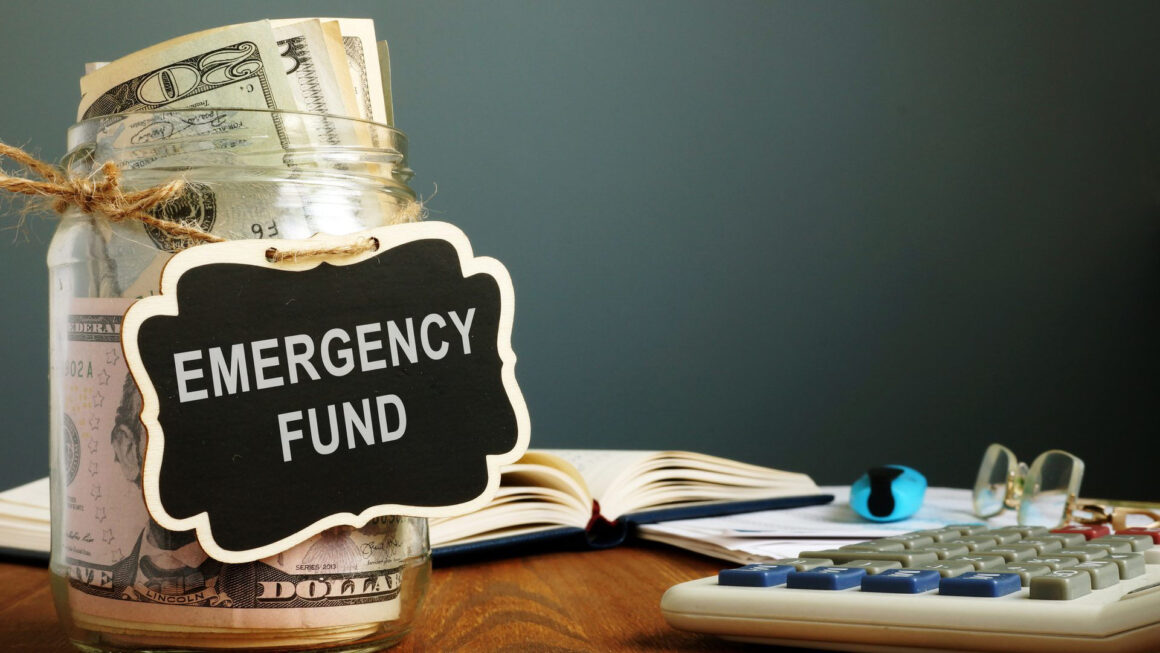
In Nigeria today, financial stability often feels like walking on thin ice. Emergency funds are one of those smartest money moves you can make.
One job loss, an unexpected hospital bill, or even sudden rent increases can throw an entire household into chaos. If you’ve ever had to borrow money at 20–30% interest just to cover basic needs, you already know the painful reality: emergencies don’t wait for payday.
This is why building an emergency fund is one of the smartest money moves you can make. It’s not just about savings—it’s about peace of mind, financial security, and freedom from panic when life throws surprises. Yet, many Nigerians struggle to save consistently. Between inflation, family obligations, and unstable incomes, emergency funds often remain just a “wish list” item.
The good news? Nigerian finance companies are changing the game. They’re making it easier to save, grow your money, and access it when you truly need it. From automated savings apps to interest-bearing investment platforms, these companies are building a culture of financial preparedness across the country.
This article breaks down how they help, why you need to take action, and practical steps you can start today.
Why Emergency Funds Matter in Nigeria
Emergencies are a universal reality, but in Nigeria, the stakes are higher. Economic shocks, job instability, and unexpected medical bills are frequent, making emergency funds essential for survival.
Core Benefits of Emergency Funds
- Peace of Mind
Imagine going to bed at night knowing you can cover three months of expenses if your income stops tomorrow. That level of calm is priceless. - Debt Prevention
Without savings, most Nigerians turn to predatory quick loan apps that charge exorbitant interest. An emergency fund shields you from this cycle. - Financial Freedom
When emergencies hit, people without savings often sell valuable assets like land or jewelry. With a fund, you avoid losing what you’ve worked so hard for. - Quick Recovery
Life doesn’t stop for setbacks. Having cash on hand means you can bounce back faster, whether it’s returning to work after illness or finding a new job.
A World Bank financial inclusion report revealed that fewer than 30% of Nigerian adults actively save in formal institutions. This means most are financially vulnerable to sudden crises.
The Nigerian Financial Landscape: Why Saving Is Hard
It’s easy to say, “just save,” but in Nigeria, that’s not simple. Several realities make building emergency funds difficult:
- High Inflation
The prices of food, fuel, and transportation rise faster than wages. A loaf of bread that cost ₦300 last year could be ₦700 today. This makes saving feel impossible. - Irregular Income Sources
Many Nigerians work as freelancers, traders, or contract staff. With no steady salary, consistent saving requires discipline and structure. - Cultural Spending Pressure
Family obligations—like sending money to parents, supporting siblings, or contributing to community events—often swallow savings potential. - Low Trust in Institutions
Scam stories and failed cooperative societies have made people wary of locking their money away.
This is why finance companies are vital: they simplify saving, create trust, and offer solutions suited to these challenges.
How Finance Companies Step In
Finance companies understand Nigerian realities better than traditional banks. They don’t just offer savings—they create systems that encourage consistency, discipline, and growth.
What They Offer
- Targeted Savings Accounts
Customers can set goals like “medical fund” or “rent fund,” making savings purposeful. - Micro-Investment Platforms
Instead of just saving, your money earns interest in safe investment products. - Flexible Withdrawal Options
Unlike rigid fixed deposits, finance companies offer easier access when true emergencies arise. - Education Programs
Through webinars and workshops, they promote financial literacy, teaching Nigerians why emergency funds are non-negotiable.
This approach directly addresses the barriers stopping Nigerians from saving in the first place.
Smart Money Moves: Finance Companies vs. Traditional Banks
To appreciate the role of finance companies, let’s see how they compare to banks when it comes to emergency funds:
| Feature | Traditional Banks | Finance Companies |
|---|---|---|
| Minimum Deposit Requirement | Often ₦5,000+ | Low or none |
| Interest on Savings | 2–3% annually | 6–12% annually |
| Flexibility | Limited | High |
| Access to Funds | Bureaucratic | Fast & digital |
| Savings Automation | Rare | Built-in features |
This table highlights the edge finance companies hold in building accessible emergency funds.
Practical Steps to Build an Emergency Fund with Finance Companies
Building an emergency fund can feel overwhelming. But with the right steps, it becomes manageable.
Step 1: Open a Dedicated Account
Mixing emergency money with daily expenses is a recipe for disaster. Platforms like PiggyVest or Cowrywise allow you to separate funds digitally.
Step 2: Automate Savings
Finance companies allow scheduled deductions from your salary or wallet. This removes human error and excuses.
Step 3: Start Small but Stay Consistent
Even saving ₦500 daily grows into ₦15,000 a month. Consistency is more powerful than occasional large deposits.
Step 4: Pick Interest-Bearing Options
Rather than letting inflation eat your savings, opt for platforms that grow your money while you save.
Step 5: Protect Against Impulse Withdrawals
Many apps let you “lock” funds for set periods, ensuring you don’t dip into savings casually.
The Role of Technology in Emergency Fund Growth
Technology is the backbone of finance companies’ success. They rely on mobile-first platforms that suit Nigeria’s youthful, digital-savvy population.
Tech-Driven Features That Help Nigerians Save
- Auto-Deductions: Salary-linked deductions mean your money is saved before you spend it.
- Dashboards & Reports: Visual progress bars show you how close you are to your emergency fund goal.
- Gamification: Apps reward you with badges for hitting savings streaks.
- Instant Withdrawals: During real emergencies, cash arrives in minutes, not days.
A McKinsey report shows that digital finance could add $3.7 trillion to emerging economies by 2025—proof of how fintech strengthens financial resilience.
Overcoming the Fear of Saving
Many Nigerians hesitate to save because of:
- Past scams in informal cooperatives.
- The belief that low incomes make saving pointless.
- Fear that funds won’t be available when needed.
Finance companies counter these fears by offering:
- CBN-regulated platforms ensuring safety.
- Insured accounts that guarantee protection.
- Transparency dashboards that show exactly where your money is.
Trust builds confidence, and confidence fuels consistency.
Common Mistakes Nigerians Make with Emergency Funds
Even with access to great platforms, Nigerians often slip into errors that weaken their emergency fund strategy:
- Using emergency savings for weddings or luxury items.
- Setting overly ambitious goals that discourage progress.
- Forgetting to review and adjust for inflation.
- Relying on memory instead of automating deposits.
Avoiding these mistakes ensures your fund is truly available when emergencies strike.
Real-Life Nigerian Stories of Emergency Funds in Action
Ada’s Story
Ada, a 29-year-old teacher, began saving ₦500 daily using PiggyVest. In one year, she had ₦180,000. When her father fell ill, she paid hospital bills without debt.
Chidi’s Story
Chidi, a 35-year-old banker, was laid off. Because he had six months’ expenses saved through a finance company, he navigated unemployment without borrowing.
Ngozi’s Story
Ngozi, a 40-year-old trader, faced sudden surgery costs. Thanks to her emergency fund, she avoided selling her shop’s assets and recovered without stress.
These stories show how consistent saving builds resilience against financial storms.
Tips for Staying Consistent with Your Emergency Fund
Consistency is the hardest part of saving. Here’s how to stay on track:
- Start with what you can afford—even small daily amounts matter.
- Treat savings as a bill—non-negotiable each month.
- Use app reminders—push notifications keep you accountable.
- Celebrate small wins—reward yourself at milestones.
- Include family—explain why funds can’t be touched casually.
Consistency, not the amount, creates a strong safety net.
What Happens If You Don’t Build an Emergency Fund?
Not having an emergency fund may feel harmless when things are going smoothly. Your salary comes in, bills get paid, and life goes on. But emergencies don’t give warnings, and when they strike, the absence of savings can turn a temporary setback into a financial disaster. Let’s break down the consequences.
1. You Fall into the Debt Trap
Without emergency savings, your only option during a crisis is often borrowing money—and in Nigeria, that can be financially dangerous.
- Quick loan apps: Many Nigerians resort to loan apps with interest rates ranging between 15%–30% per month. These loans can spiral out of control.
- Family and friends: While helpful, borrowing constantly strains relationships. You may face shame, gossip, or obligations you didn’t bargain for.
- Bank overdrafts and payday loans: High fees and rigid repayment timelines dig you deeper into debt.
Debt repayment then eats into your future earnings, reducing your ability to save or invest, creating a vicious cycle of financial instability.
2. Financial Anxiety and Stress
Money stress is real, and it affects more than just your wallet. Without a financial cushion, every surprise—no matter how small—feels catastrophic.
- Health impact: Stress from money worries can lead to insomnia, hypertension, and even depression.
- Work productivity: Constantly worrying about bills reduces focus and performance at work, which could put your job at risk.
- Family tension: Spouses argue more when money runs out, and children feel the strain when parents are constantly worried.
Living in “survival mode” takes an emotional toll that could have been prevented with just a few months of saved expenses.
3. You Risk Losing Assets
When cash isn’t available in emergencies, people turn to their most valuable possessions. That often means selling assets—land, cars, jewelry, or even business equipment—just to cover immediate needs.
The painful truth is:
- You’ll often sell at a loss, because emergencies don’t give you time to negotiate good prices.
- Once gone, assets are hard to replace. That plot of land sold for ₦800,000 today may cost ₦2 million to buy back tomorrow.
- Businesses that sell tools or inventory for quick cash may never recover.
This erodes long-term wealth, turning what should be a temporary setback into permanent financial loss.
4. Dependency and Loss of Dignity
Nobody likes begging, but without emergency savings, dependency becomes inevitable. You’ll lean on family, friends, or community groups. While Nigerians are culturally supportive, repeated dependence can:
- Damage your reputation as someone who “never plans.”
- Reduce your bargaining power in future partnerships.
- Make you vulnerable to exploitation—for example, accepting unfair conditions just to get help.
The lack of an emergency fund shifts control of your life from you to others, reducing financial independence and dignity.
5. Delayed Recovery from Setbacks
Emergencies will pass, but without savings, the recovery period drags on.
Consider this:
- A job loss with no savings may take months to recover from because you’ll scramble for odd jobs while debts pile up.
- A medical emergency without a fund could mean cutting back on essentials—like children’s school fees—just to catch up.
- A broken-down car without savings might keep you from working, causing lost income and more hardship.
Emergency funds shorten the timeline between crisis and stability, but without one, the recovery process is long, stressful, and costly.
6. Missed Opportunities
Emergencies aren’t the only “unexpected” events. Sometimes, life presents opportunities—like land available at a low price, a training program that could boost your career, or a profitable business idea.
Without emergency savings, you’re too busy firefighting financial crises to take advantage of such moments. You remain stuck in survival mode instead of building long-term wealth.
7. Increased Vulnerability in Nigeria’s Volatile Economy
Nigeria’s economy is unpredictable. Inflation, fuel scarcity, and currency devaluation are frequent. Without a savings buffer, each economic shock hits harder.
- Fuel price hikes immediately raise transport and food costs.
- Currency swings make imports—and school fees abroad—more expensive overnight.
- Job market instability means entire industries can lay off workers at short notice.
Those without emergency savings are the first to fall into financial chaos when these shocks occur.
Real-Life Scenario: The Cost of Not Saving
Consider Kunle, a 32-year-old Lagos-based IT technician. He lived paycheck to paycheck, never saving because his salary “wasn’t enough.” When his mother needed emergency surgery costing ₦250,000, Kunle had nothing saved.
- He borrowed ₦200,000 from a loan app at 25% interest.
- In three months, his debt ballooned to ₦350,000 due to missed payments.
- To keep up, he sold his motorcycle (his side hustle tool), cutting off his extra income stream.
Had he built even ₦150,000 in savings over time, Kunle could have avoided debt, preserved his asset, and focused on supporting his family emotionally.
Bottom Line
Without an emergency fund:
- You face debt traps that cripple future income.
- Stress and anxiety affect your health and relationships.
- You risk losing valuable assets at bad prices.
- You become dependent on others, losing dignity and independence.
- Recovery from crises takes longer and costs more.
- Opportunities slip through your fingers because you’re always in survival mode.
The cost of not having an emergency fund is always higher than the sacrifice of building one. Every naira you set aside today is protection against tomorrow’s storms.
Conclusion: Your Smartest Money Move Yet
Emergency funds are no longer optional—they are survival kits in today’s Nigeria. Finance companies have made saving easier, safer, and smarter, giving Nigerians hope for financial resilience.
By combining technology, higher interest rates, automation, and flexible plans, they ensure that even low-income earners can build funds over time.
The smartest financial decision you can make today is to open a dedicated emergency savings plan with a trusted finance company. Start small, stay consistent, and watch your financial confidence grow.
Don’t wait for the next crisis to act—your future self will thank you.
FAQs
1. What exactly is an emergency fund, and why do I need one in Nigeria?
An emergency fund is money you set aside specifically for unexpected events like medical bills, job loss, or sudden expenses. In Nigeria’s unstable economy, it keeps you from borrowing at high interest rates or selling assets under pressure.
2. How much should I save in my emergency fund?
Financial experts recommend saving at least three to six months’ worth of living expenses. If your monthly expenses are ₦100,000, your target fund should be ₦300,000–₦600,000. Start small and build consistently.
3. Can I build an emergency fund with a small income?
Yes! Even saving ₦500 daily adds up to ₦15,000 monthly and ₦180,000 in a year. Nigerian finance companies allow small, automated deposits that make saving achievable for everyone.
4. Which Nigerian finance companies are best for emergency savings?
Popular and trusted platforms include PiggyVest, Cowrywise, and ARM Money Market Funds. They offer goal-based savings, higher interest rates than banks, and easy digital access.
5. Are finance companies safe for emergency savings?
Yes, as long as they are regulated by the Central Bank of Nigeria (CBN). Many platforms also insure customer funds, making them more secure than informal savings groups or cash at home.
6. Can I access my emergency fund anytime I need it?
Most finance companies allow flexible withdrawals, but some offer “locked” accounts to prevent impulsive spending. Always choose a platform with clear rules so you can access funds during genuine emergencies.
7. What happens if I don’t build an emergency fund?
Without one, you risk falling into debt, selling assets at bad prices, or constantly depending on friends and family. Emergencies become harder to recover from, causing long-term financial setbacks.