
Introduction: Fast Money or Hidden Trap?
In today’s fast-moving world, the idea of borrowing money in minutes sounds like a dream. Loan apps have flooded the Canadian and American markets with promises of instant cash, flexible repayment, and no credit checks. But here’s the hard truth—what looks convenient on the surface often hides dangerous risks.
Behind sleek interfaces and persuasive ads, many loan apps exploit borrowers with sky-high interest rates, hidden fees, and aggressive collection tactics. Worse, some are outright scams designed to steal your personal and financial data. For people already struggling financially, falling into these traps can feel like drowning with no lifeline.
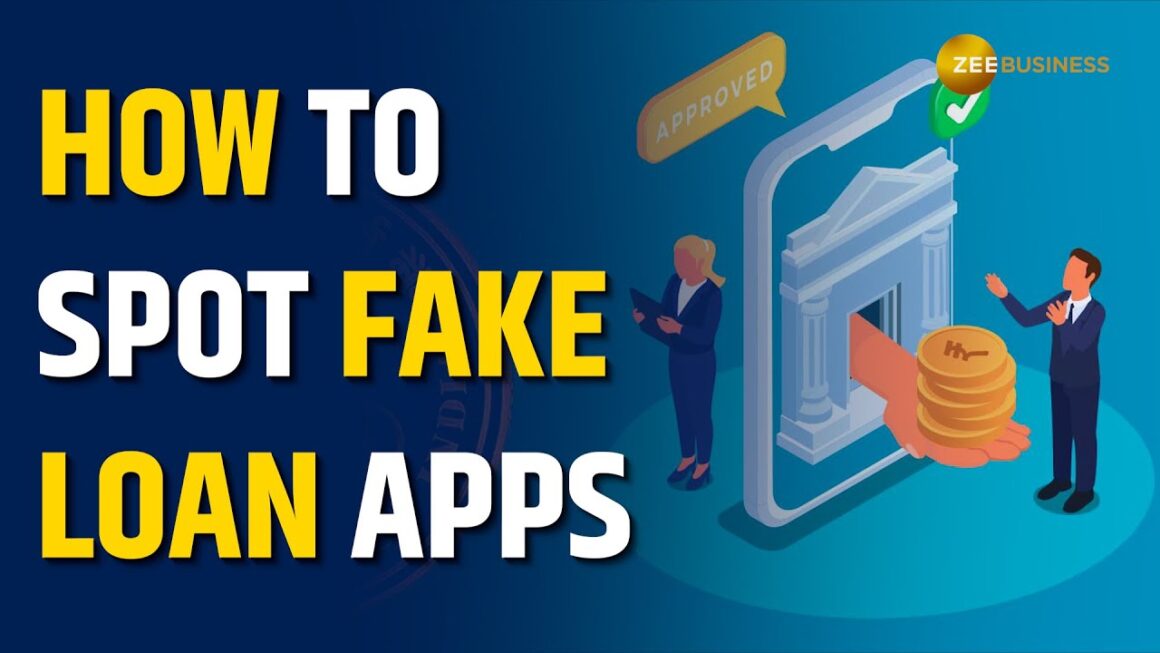
This post uncovers the real dangers of loan apps and equips you with practical ways to spot scams before they ruin your finances.
Why Loan Apps Became Popular in Canada and the USA
Loan apps rose to fame because they offered what banks often don’t:
- Speed – approvals within minutes, sometimes instantly.
- Accessibility – available to people with poor or no credit.
- Convenience – no paperwork, no in-person meetings.
- Round-the-clock service – you can borrow money anytime, even at 2 a.m.
For many Canadians and Americans living paycheck to paycheck, loan apps looked like salvation. But beneath the promises lies a system that often profits most when borrowers fail to repay.
The Dark Side: Dangers of Loan Apps
1. Sky-High Interest Rates and Fees
Unlike regulated banks, many loan apps operate in a grey zone, charging borrowers annual percentage rates (APRs) as high as 300–500%. What seems like a quick $200 loan can snowball into thousands in debt.
- Example: A borrower in Toronto takes $300 through a payday-style app. By the time fees and penalties pile up, repayment may exceed $900 within two months.
2. Aggressive Debt Collection Tactics
Some loan apps use harassment as a collection tool. Borrowers report:
- Threatening phone calls at work.
- Embarrassing messages sent to family or friends.
- Fake legal threats about arrest or lawsuits.
Such tactics create emotional trauma, leaving victims ashamed and anxious.
3. Data Privacy and Identity Theft
Loan apps often request sensitive permissions: access to contacts, messages, or even photos. In unsafe hands, this data can be used for blackmail or sold on the dark web.
A 2023 U.S. Federal Trade Commission (FTC) report warned that fake lending apps increasingly aim to steal personal details rather than provide real loans (FTC Report).
4. Hidden Terms and Unclear Agreements
Many apps use fine print and legal jargon to trap borrowers. Fees are buried in terms nobody reads. Some don’t even provide a clear repayment schedule, leaving borrowers confused until it’s too late.
Loan Apps vs. Legitimate Lenders
The easiest way to avoid scams is by comparing features of legit lenders and suspicious loan apps.
| Feature | Legitimate Lender | Suspicious Loan App |
|---|---|---|
| Regulation | Licensed by state/provincial authorities | No visible license or registration |
| APR | 5% – 36% (regulated limit) | 100% – 500% or hidden fees |
| Transparency | Clear contracts, repayment terms | Vague, confusing, or no contracts |
| Data Permissions | Basic financial info only | Contacts, photos, messages required |
| Collection Practices | Standard billing reminders | Harassment, threats, blackmail |
Red Flags: How to Spot a Loan App Scam
Recognizing red flags can save you from falling into debt traps. Look out for:
- No Licensing Information
– A legitimate lender lists its license number and regulator. - Unrealistic Promises
– “Guaranteed approval” or “no repayment needed if you can’t pay.” - Upfront Fees
– Scammers ask for a deposit before releasing funds. - Unsecure Websites or Apps
– No “https://” security or suspicious app permissions. - High-Pressure Tactics
– You’re told to act “immediately” or risk losing the loan. - Too Good to Be True Offers
– Extremely low interest rates with no checks or balances.
According to the Consumer Financial Protection Bureau (CFPB), scams often follow the same playbook of high-pressure tactics and false promises (CFPB Guidance).
Real-Life Stories: Victims of Loan App Abuse
- Case 1 (USA): A single mother in Florida borrowed $500 from an app that promised “fast cash.” Within weeks, her debt ballooned to $2,000 after fees and penalties. She later discovered the company wasn’t licensed to operate in the U.S.
- Case 2 (Canada): A Toronto student downloaded a loan app that asked for contact access. When he missed repayment, the app messaged all his friends, calling him a “fraud.” The humiliation forced him to drop out temporarily.
These stories show how loan apps prey on vulnerability, especially among those in financial distress.
Safer Alternatives to Loan Apps
If you need money urgently, consider these safer options:
- Credit unions – Often provide small emergency loans with fair interest.
- Community assistance programs – Local nonprofits sometimes help with rent, utilities, or food.
- Employer salary advances – Some companies allow workers to access a portion of earned wages early.
- Credit counseling – Certified agencies can help restructure debt and avoid predatory lenders.
- Family or trusted networks – Borrowing from close ones, though delicate, avoids predatory interest rates.
Daily Habits to Protect Yourself from Loan Scams
You don’t need to be an expert to stay safe. Simple daily habits can shield you from falling prey:
- Always verify licenses with provincial/state regulators.
- Check online reviews before downloading loan apps.
- Never share sensitive data beyond income and bank details.
- Read the fine print—look for hidden penalties.
- Use official app stores only, avoiding third-party downloads.
- Build an emergency fund, even $20 a week can reduce reliance on risky loans.
What To Do If You’re a Victim
If you’ve already fallen into a loan app trap:
- Stop Payments Immediately – especially if it’s a scam.
- Report to Authorities – file complaints with FTC (USA) or Financial Consumer Agency of Canada (FCAC).
- Freeze Your Credit – protect yourself from identity theft.
- Warn Others – leave online reviews, share your experience.
- Seek Legal Help – some victims qualify for compensation if fraud is proven.
Conclusion: Borrow Wisely, Protect Fiercely
Loan apps aren’t always evil—some are regulated and serve a genuine purpose. But too many exploit the vulnerable, leaving scars deeper than financial debt. By staying informed, recognizing red flags, and exploring safer alternatives, you protect not only your money but also your peace of mind.
Remember: if it feels too good to be true, it probably is.
FAQs
1. Are all loan apps scams?
No. Some are licensed and regulated, but many unlicensed apps operate illegally, especially in high-risk markets.
2. What’s the safest way to borrow online?
Use lenders licensed by state or provincial regulators, and always confirm terms in writing.
3. Can loan apps really access my contacts and photos?
Yes, some demand excessive permissions. Avoid any app that asks for unrelated personal data.
4. What should I do if a loan app threatens me?
Document the threats, stop payments, and report the app to consumer protection agencies.
5. How can I avoid needing loan apps in the first place?
Build an emergency savings habit, explore credit unions, or ask employers about wage advance programs.