
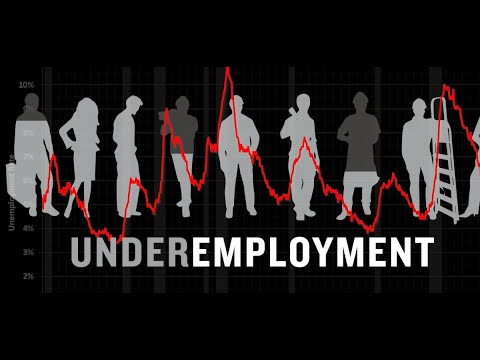
 Introduction: The Hidden Cost of “Having a Job”
At first glance, employment is usually seen as the antidote to poverty. But in Nigeria—and in many developing economies—millions of people are underemployed. They have jobs, yes, but jobs that fail to meet their skills, aspirations, or financial needs. This creates a frustrating paradox: you’re working, but still broke.
Underemployment is more than a personal inconvenience; it has ripple effects on families, communities, and even the economy. According to Nigeria’s National Bureau of Statistics (NBS), youth unemployment and underemployment rates often hover around 40–50%, reflecting a systemic issue that leaves skilled graduates earning below their worth.
This raises the question: how can Nigerian finance companies help ease the burden of underemployment? The answer lies in a blend of innovative financial products, smart partnerships, and rethinking the role of credit in empowering underutilized workers.
Understanding Underemployment in Nigeria
Underemployment is often misunderstood. Unlike unemployment—which is the absence of work—underemployment means you’re working below your capacity or for less pay than your skills deserve.
There are three common forms:
- Visible underemployment: Part-time work when you want full-time.
- Invisible underemployment: Full-time work with very low wages.
- Skill underemployment: Working in a field that doesn’t match your qualifications.
In Nigeria, skill underemployment is especially widespread. Think of engineers driving ride-hailing cabs, teachers moonlighting as petty traders, or fresh graduates settling for clerical jobs with salaries far below a living wage.
Why Underemployment Feels Like Financial Slavery
The financial burden of underemployment is crushing because:
- Low wages barely cover living expenses. Many underemployed workers live paycheck to paycheck.
- Debt dependency rises. With income gaps, people turn to informal loans with sky-high interest rates.
- Savings and investments are impossible. Without disposable income, building wealth is a dream deferred.
- Psychological stress increases. Constant financial strain erodes confidence and mental health.
In a country where inflation and currency instability worsen the cost of living, underemployment keeps millions locked in survival mode.
The Role of Nigerian Finance Companies: Beyond Loans
Many people assume finance companies are simply “mini-banks” that issue loans. In reality, they can play a far greater role in reducing the pressure of underemployment. Unlike traditional banks, finance companies are often more flexible, community-driven, and willing to innovate.
Here’s how they can intervene effectively:
- Microloans tailored for skill improvement. Instead of just consumer loans, finance firms can fund certifications, vocational courses, or digital skills training.
- Partnership-based lending. Collaborating with employers and training centers to finance upskilling programs that guarantee better-paying jobs.
- Emergency credit buffers. Offering quick, low-interest short-term loans to help underemployed workers manage shocks (medical bills, rent, fuel hikes).
- Investment cooperatives. Pooling funds from underemployed individuals into collective ventures like agriculture, ride-hailing fleets, or e-commerce.
👉 Example: In Kenya, microfinance organizations have been vital in supporting small-scale entrepreneurs who would otherwise remain trapped in underemployment. Nigeria’s finance companies can learn from such models.
Table: Comparing Underemployment Challenges vs Finance Company Interventions
| Underemployment Challenge | How Finance Companies Can Intervene |
|---|---|
| Low salaries not meeting living costs | Provide affordable personal loans and budget-planning tools |
| Skills mismatch in labor market | Offer financing for retraining and professional courses |
| Lack of savings & investment | Create micro-savings and cooperative investment platforms |
| Reliance on loan sharks | Provide regulated, low-interest emergency loans |
| Financial stress and insecurity | Develop wellness-linked credit programs with repayment flexibility |
This comparison shows that finance companies can shift from being reactive lenders to proactive enablers of financial mobility.
How Canada and the USA Provide Lessons
While Nigeria faces unique economic struggles, there are lessons from Canada and the USA worth borrowing.
- In Canada, government-supported career transition loans and retraining grants have helped underemployed workers pivot into industries like tech and healthcare.
- In the USA, nonprofit finance organizations like Opportunity Fund provide loans targeted at low-income entrepreneurs, particularly immigrants and minority workers.
Nigerian finance companies could replicate these strategies locally—partnering with NGOs, digital platforms, and even government agencies to scale impact. For example, a microloan program targeting underemployed Nigerian youths in fintech or solar energy could create lasting income growth.
For context, see Canada’s Government of Canada retraining programs and the U.S. Opportunity Finance Network, both of which demonstrate how structured financing can reduce underemployment’s effects.
Practical Interventions Nigerian Finance Companies Can Adopt
Let’s break down concrete steps:
1. Flexible Skill-Development Loans
Finance companies should design loans specifically for professional certifications (IT, accounting, project management). Repayments could begin after employment is secured.
2. Low-Interest Salary Advance Products
Instead of payday loan sharks, workers could access regulated salary advance services with transparent terms.
3. Partnership with Employers
Finance companies can co-create loan products with employers for staff training or side-business financing, reducing turnover and boosting loyalty.
4. Digital Inclusion
By using mobile apps, even underemployed informal workers can access financial literacy tools, savings plans, and micro-credit safely.
5. Community Wealth-Building Programs
Pooling resources of underemployed groups into community-driven cooperatives financed by regulated institutions, instead of risky Ponzi schemes.
The Human Side: Why Underemployment Hurts More Than the Pocket
When we talk about underemployment, it’s easy to get lost in statistics, GDP figures, or government policies. But behind every percentage point is a human being—a graduate, a father, a mother, or a young professional—struggling to reconcile the promise of education with the harsh reality of limited opportunities.
1. The Graduate with Wasted Potential
Picture a young graduate in Lagos who studied electrical engineering with dreams of building innovative energy solutions. Instead, he drives a ride-hailing car because entry-level engineering jobs are scarce and badly paid. His degree certificate hangs on the wall at home like a silent reminder of a dream deferred.
This is not an isolated story—it’s the reality of thousands of Nigerian graduates who find themselves trapped in low-paying jobs that neither use their skills nor provide the income needed to thrive. Over time, the frustration of working below potential morphs into disillusionment, leading many to consider migrating abroad.
Finance companies can break this cycle by:
- Offering upskilling loans that allow him to learn solar energy installation or coding, areas with high job demand.
- Providing startup financing for small renewable energy businesses, so his skills don’t go to waste.
2. Families Stuck in Perpetual Struggle
For underemployed parents, the pain cuts deeper. Imagine a mother working in a clerical role that pays just enough to cover food and transport, but not enough to pay school fees. She must choose between sending her children to school or putting food on the table. The result? Generational cycles of poverty continue.
Finance companies can intervene by creating family-oriented microcredit that supports education expenses and reduces the immediate pressure on struggling households. By enabling parents to keep their children in school, they not only ease today’s burden but also secure tomorrow’s workforce.
3. The Psychological Toll of Underemployment
Underemployment doesn’t just damage finances—it attacks self-esteem. When people work hard yet remain financially unstable, they begin to feel invisible and undervalued. Depression, anxiety, and hopelessness become silent companions.
- Low pay equals low confidence. Workers begin to see themselves as “failures” despite their education or work ethic.
- Stress bleeds into relationships. Marriages strain, family bonds weaken, and communities fracture when money woes dominate conversations.
- Loss of ambition. Over time, workers give up on their bigger dreams, accepting “just surviving” as the norm.
Finance companies can design wellness-linked financial products—like flexible repayment loans, financial counseling, or small savings apps—that help ease stress. By recognizing the emotional weight of money struggles, they move from being just lenders to partners in resilience.
4. Youth Dreams at Risk
The Nigerian youth population is massive, vibrant, and full of ambition. Yet underemployment crushes creativity. A talented young woman who designs fashion sketches may end up as a shop attendant because she lacks startup capital. A brilliant computer science graduate may end up repairing phones on the roadside because he cannot afford the certifications that tech companies demand.
These wasted dreams are a silent national crisis. Finance companies could:
- Introduce youth-specific entrepreneurial funds with mentorship support.
- Create group-lending schemes where youth can pool resources to launch small businesses in fashion, tech, or agribusiness.
5. Migration as a Desperate Escape
Another human reality of underemployment is the surge in “japa” migration. Many Nigerians, tired of working for crumbs, risk everything to move abroad—even when they end up doing menial jobs in Canada or the USA. While migration provides relief for individuals, it drains Nigeria of skilled labor.
By stepping in with career-transition financing, Nigerian finance companies can help workers pivot into better-paying local industries like fintech, renewable energy, and digital services, reducing the desperation that fuels migration.
Why the Human Side Matters to Finance Companies
The human side of underemployment is not just a moral issue—it’s also a business opportunity. Every underemployed Nigerian represents untapped potential. With the right financial support, these individuals can:
- Transition into better-paying jobs.
- Start small businesses that create more jobs.
- Build stable families that invest in their children’s future.
- Contribute more meaningfully to Nigeria’s economy.
By recognizing the faces behind the figures, finance companies can position themselves not just as money lenders, but as nation builders.
Conclusion: From Survival to Stability
The financial burden of underemployment in Nigeria is real and destructive, but it is not irreversible. By reimagining their role, finance companies can be catalysts of empowerment. They can provide not just loans, but pathways—bridges from stagnation to progress.
The key is innovation: flexible credit, targeted partnerships, and digital financial inclusion. If Canadian and U.S. models prove anything, it’s that strategic financial interventions can transform underemployment from a personal tragedy into a stepping stone for growth.
And in Nigeria, where millions feel trapped in jobs that keep them poor, this kind of financial innovation is not just helpful—it is urgent.
Frequently Asked Questions (FAQs)
1. What does underemployment mean in Nigeria?
Underemployment in Nigeria refers to situations where people work below their skill level, earn wages that cannot meet basic living expenses, or are forced into part-time or informal jobs when they want full-time work. It’s different from unemployment because people are technically “working,” but not earning enough to live decently.
2. How does underemployment create a financial burden?
The financial burden comes from:
- Low income that cannot cover rising costs of food, rent, and transportation.
- Debt dependency, as workers borrow from loan sharks or friends.
- Inability to save or invest, which locks people in poverty cycles.
- Mental stress, as financial struggles spill over into family and social life.
3. How can Nigerian finance companies help reduce underemployment?
Finance companies can ease underemployment by:
- Offering microloans for skill development (IT, solar, fashion, tech training).
- Creating salary advance products with fair interest rates.
- Funding small businesses and cooperatives for underemployed workers.
- Partnering with employers to finance staff training and retraining programs.
- Providing emergency financial buffers for rent, healthcare, or fuel hikes.
4. What lessons can Nigeria learn from Canada and the USA?
Canada provides retraining grants and loans to help workers pivot into high-demand industries like healthcare and tech. In the USA, nonprofit finance institutions such as the Opportunity Finance Network offer low-income entrepreneurs affordable credit. Nigerian finance companies can replicate these models by blending financing with mentorship and digital tools.
5. Can finance companies really solve the problem of underemployment?
Finance companies alone cannot solve underemployment, but they can significantly reduce its financial burden. By supporting skill development, providing safe credit options, and encouraging entrepreneurship, they give underemployed workers a path toward stability and dignity while complementing government and private sector efforts.