
Introduction: The Hidden Truth Behind Your Loan Agreement
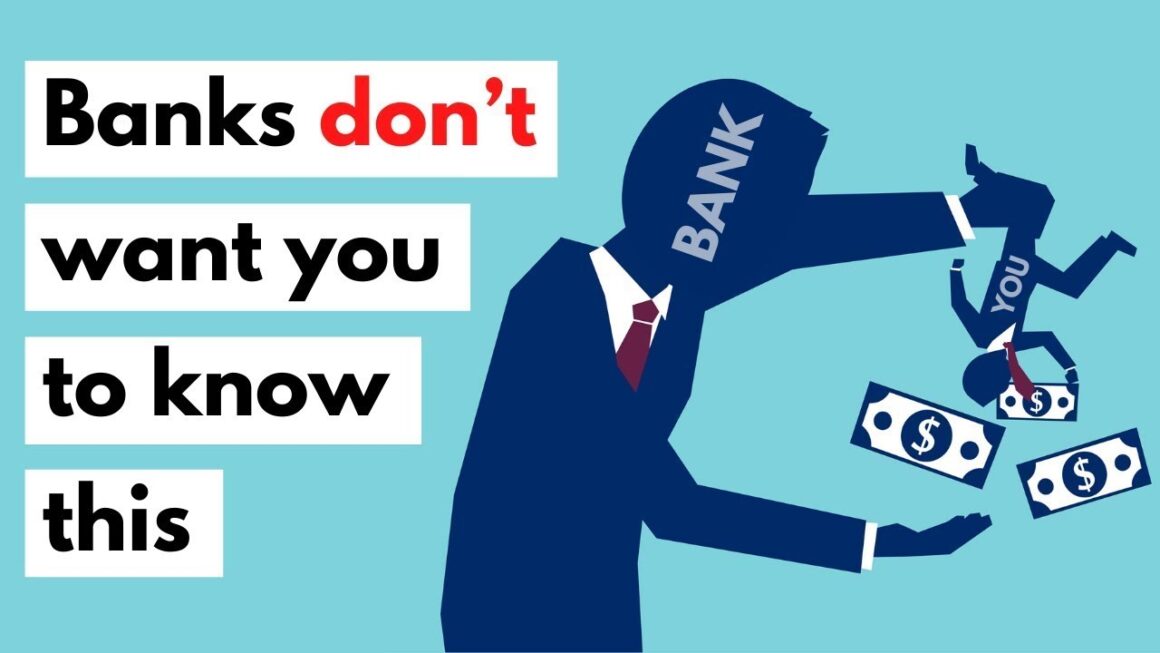
Banks are powerful financial institutions, but they thrive on one simple principle—profit. Every time you borrow money, whether it’s through a mortgage, credit card, or personal loan, you step into the complex world of interest rates.
But here’s the twist: most banks won’t explain how these rates are structured, why they fluctuate, or how they can quietly drain thousands of dollars from your pocket over time. Instead, they wrap interest in jargon, percentages, and “fine print” designed to keep you confused.
If you’ve ever wondered why your balance never seems to shrink or why rates rise faster than they fall, this article will peel back the curtain. We’ll break down the secrets banks don’t want you to know—and show you how to fight back.
Why Interest Rates Are More Than Just Numbers
At first glance, an interest rate seems straightforward: you borrow money and pay back a percentage on top. But the reality is far murkier.
Banks use interest rates not only to cover risk but also to maximize long-term revenue. A small percentage difference—say, 5% vs. 6%—may look insignificant, but over 20 years it could cost you tens of thousands of dollars.
Worse, many banks tie rates to economic indexes you don’t control, such as the prime rate or central bank policies. This means your monthly payments can balloon with little warning, especially in countries like the USA and Canada where monetary policies shift rapidly.
- In the U.S., the Federal Reserve’s adjustments directly impact mortgage and credit card rates.
- In Canada, the Bank of Canada’s overnight rate sets the tone for loans and mortgages nationwide.
Understanding this link is key to protecting yourself when rates inevitably shift.
Fixed vs. Variable: The Bank’s Favorite Game
One of the biggest traps borrowers fall into is not fully understanding fixed vs. variable interest rates.
- Fixed rates lock you into a set percentage for a specific period. This gives stability but often comes at a higher cost upfront.
- Variable rates start low but change depending on the market. Banks love these because they can raise them when it benefits them most.
Here’s a quick snapshot to illustrate:
| Rate Type | Pros | Cons | Who Benefits Most |
|---|---|---|---|
| Fixed Rate | Predictable payments; budget stability | Higher starting rate; penalties for early payoff | Borrowers who want peace of mind |
| Variable Rate | Often lower at the start; can save money short-term | Payments can spike suddenly; unpredictable | Banks (long-term), borrowers (short-term) |
The hidden danger? Many borrowers choose variable rates for the initial “low-cost appeal” without realizing banks have built-in flexibility to hike them when market conditions change.
The Fine Print: Where Banks Make Their Money
The interest rate itself is only part of the story. Banks embed fees, compounding methods, and repayment structures that quietly boost their earnings.
Key tricks include:
- Compounding frequency – Interest compounding daily instead of monthly can mean you pay far more.
- Penalty clauses – Extra charges for paying off your loan early (so you stay “profitable” longer).
- Introductory rates – Teaser rates that skyrocket after a few months.
For example, many U.S. credit cards offer “0% APR” for the first year, but if you miss a single payment, that rate can jump to 25% or more overnight. Similarly, in Canada, mortgage penalties for breaking a fixed-rate loan early can equal thousands of dollars.
This is where most borrowers lose—not because of the base rate, but because of the conditions tied to it.
Why Banks Raise Rates Faster Than They Lower Them
Have you noticed how quickly your credit card rate jumps when the economy shifts, but how slowly it falls when conditions improve? That’s not by accident.
Banks rely on asymmetry—passing on increases immediately but delaying decreases. They justify this with “market lag” or “administrative adjustments,” but the truth is simple: the delay means more profit for them.
For instance, when the Federal Reserve raises interest rates, banks often adjust consumer rates within days. But when rates drop, it can take months before borrowers see relief. The same pattern exists in Canada with the Bank of Canada’s policy changes.
It’s a one-way ratchet: fast up, slow down.
How Interest Rates Trap You in Debt
High interest rates create what many economists call a debt trap. Here’s how it works:
- You take on a loan or credit card balance.
- The minimum payment only covers a tiny slice of the principal.
- High interest eats up the rest.
- You end up paying mostly interest—not the loan itself.
Take this example:
- A $5,000 credit card balance at 19% APR with only minimum payments could take over 15 years to clear, with interest payments exceeding $6,000.
That’s more than the original debt!
Banks bank on this behavior—knowing that most consumers will keep rolling balances instead of aggressively paying them off.
How to Outsmart the Banks and Win
The good news? You’re not powerless. By understanding the tricks, you can take steps to minimize the impact of interest rates.
Here are practical strategies:
- Shop around – Don’t settle for the first loan or credit card offer. Comparison websites often reveal much better rates.
- Negotiate – Many banks lower rates if you ask, especially if you have a strong credit history.
- Prioritize high-interest debt – Pay off credit cards before tackling lower-interest loans.
- Refinance – If rates drop, consider refinancing to lock in savings.
- Read the fine print – Watch for hidden compounding methods and penalty clauses.
Resources like the Consumer Financial Protection Bureau in the U.S. and the Financial Consumer Agency of Canada provide guides to help you navigate these options.
Conclusion: Knowledge Is Your Best Defense
Banks profit from your lack of knowledge. They rely on complexity, timing games, and fine print to keep you paying more than you should. But once you understand the mechanics of interest rates, you gain power.
Interest doesn’t have to be your enemy. By shopping smarter, reading the fine print, and avoiding common traps, you can save thousands of dollars over time.
Remember: the bank’s job is to make money—but your job is to protect your own.
FAQs
1. Why do banks prefer variable rates?
Because they allow banks to adjust rates quickly, ensuring they profit more when market rates rise.
2. How can I avoid credit card interest?
By paying your balance in full each month before the due date.
3. Are mortgage penalties in Canada really that high?
Yes. Breaking a fixed-rate mortgage early can cost thousands due to interest rate differential penalties.
4. Is refinancing always worth it?
Not always. You must compare the savings from a lower rate against fees and penalties.
5. What’s the fastest way to get rid of high-interest debt?
Use the avalanche method: pay off the highest-interest balance first while making minimum payments on the rest.