Outline:

- Introduction
- Why Emergency Funds Are Crucial in Today’s Economy
- The Changing Economic Landscape and Rising Uncertainties
- What is an Emergency Fund?
- Definition and Purpose of Emergency Funds
- Key Components of a Strong Emergency Fund
- How Much Should You Save for an Emergency Fund?
- The Importance of Emergency Funds in a Volatile Economy
- Rising Uncertainty: Economic Crises and Natural Disasters
- The Importance of Financial Stability and Flexibility
- Emergency Funds as a Safety Net
- Lessons Learned from Recent Economic Disruptions
- The 2008 Financial Crisis and Its Aftermath
- Lessons from the COVID-19 Pandemic
- Economic Turmoil in 2025: How Events are Shaping Financial Planning
- Why Emergency Funds Are No Longer Optional
- The Risk of Job Loss and Unemployment
- Medical Emergencies: The Rising Healthcare Costs
- Unexpected Expenses: The Hidden Financial Pitfalls
- The Importance of an Emergency Fund for Mental Health
- How Much Should You Have in an Emergency Fund?
- Establishing a Realistic Goal
- Factors to Consider: Household Size, Income, and Monthly Expenses
- Experts’ Recommendations on Emergency Fund Size
- How to Build Your Emergency Fund
- Starting Small: Breaking Down the Goal into Manageable Steps
- Setting a Monthly Savings Target
- Automating Your Savings: Tools and Apps to Help You
- Building Your Fund without Sacrificing Essential Needs
- Emergency Fund Myths: Busting Common Misconceptions
- “Emergency Funds Are Only for the Wealthy”
- “I’ll Never Need an Emergency Fund”
- “I Should Put My Emergency Fund in Risky Investments for Growth”
- The Role of Emergency Funds in Long-Term Financial Security
- How an Emergency Fund Helps Protect Retirement Savings
- Building Financial Independence: How Emergency Funds Fit Into the Bigger Picture
- Emergency Funds vs. Other Forms of Savings (Retirement, College Fund, etc.)
- Strategies for Maintaining and Growing Your Emergency Fund
- Reassessing Your Fund Regularly: Adjusting to New Life Changes
- Investing Your Emergency Fund: Safe, Low-Risk Options
- Where to Keep Your Emergency Fund: High-Interest Savings, Money Market Accounts
- Emergency Fund vs. Debt: Which Should You Focus On First?
- Balancing Debt Repayment and Building an Emergency Fund
- When to Prioritize Emergency Savings Over Paying Off Debt
- Strategies for Managing Both Simultaneously
- The Psychological Benefits of Having an Emergency Fund
- Reducing Stress and Anxiety Over Financial Uncertainty
- Emergency Funds as a Source of Confidence
- How Having an Emergency Fund Impacts Your Decision-Making
- Real-Life Examples: How Emergency Funds Helped People in Crisis
- Case Study 1: A Family Facing Job Loss
- Case Study 2: A Medical Emergency and Rising Costs
- Case Study 3: Navigating a Natural Disaster with an Emergency Fund
- How Economic Changes Are Making Emergency Funds More Important
- Job Market Instability and the Gig Economy
- Health Crisis and the Surging Cost of Healthcare
- Natural Disasters and Global Economic Shifts
- Conclusion
- Recap of Why Emergency Funds Are No Longer Optional
- Encouragement to Start Saving Today
- Final Thoughts on Financial Preparedness
- FAQs
- How long will it take to build a sufficient emergency fund?
- Can I use my emergency fund for planned expenses?
- Is it okay to use my emergency fund for non-urgent situations?
- Should I use my emergency fund for investments?
- How can I grow my emergency fund without taking big financial risks?
Why Emergency Funds Are No Longer Optional: Lessons from a Volatile Economy

Introduction
In today’s ever-changing and often unpredictable economy, emergency funds are no longer optional. Gone are the days when having some savings tucked away was a luxury. In fact, the recent volatility in global markets, rising inflation, and unforeseen events like pandemics and natural disasters have shown that emergency funds are essential to maintaining financial security. Having a safety net to rely on during times of crisis is crucial for anyone trying to navigate the uncertainties of modern life.
Whether you’ve experienced an economic downturn, faced unexpected medical bills, or found yourself in a position where an emergency job loss disrupted your life, the need for an emergency fund has never been more pressing. In this article, we’ll dive into the importance of having an emergency fund, the lessons we’ve learned from economic volatility, and why it’s now a financial necessity for all.
What is an Emergency Fund?
Definition and Purpose of Emergency Funds
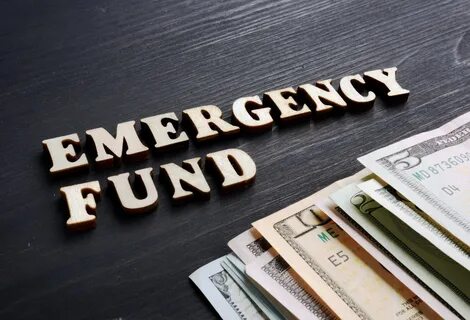
An emergency fund is a savings account set aside specifically to cover unexpected expenses or emergencies. The goal of this fund is to give you a cushion to fall back on in case something unexpected happens, such as job loss, medical emergencies, or urgent repairs. Rather than relying on credit cards or loans, an emergency fund provides financial flexibility, ensuring that you’re not caught off guard when life throws you a curveball.
Key Components of a Strong Emergency Fund
A well-established emergency fund is not just about accumulating cash — it’s about building a resource that will help you weather a storm. A strong emergency fund should be:
- Liquid: Easily accessible without penalties.
- Sufficient: Adequate enough to cover three to six months of living expenses.
- Separate: Kept in a separate account from your day-to-day funds to avoid temptation.
How Much Should You Save for an Emergency Fund?
Financial experts generally recommend that you save between three to six months’ worth of living expenses. However, this may vary based on individual circumstances, such as job stability, health conditions, or family size. For instance, if you are self-employed or work in an unstable industry, you might consider saving more to be on the safe side.
The Importance of Emergency Funds in a Volatile Economy
Rising Uncertainty: Economic Crises and Natural Disasters
In today’s volatile economy, we are seeing more frequent disruptions — from the global financial crisis to natural disasters and the ongoing effects of the COVID-19 pandemic. Each of these events highlights the need for individuals to be financially prepared for anything. Emergency funds act as a buffer against these unforeseen disruptions, providing stability when the unexpected occurs.
The Importance of Financial Stability and Flexibility
When you have an emergency fund, you gain financial stability and flexibility. Instead of scrambling to make ends meet when faced with an unexpected expense, you can quickly tap into your emergency savings without relying on credit or loans that could burden you with debt. It also gives you time to regroup and recover, instead of making rash financial decisions in a panic.
Emergency Funds as a Safety Net
An emergency fund is much more than just a financial tool; it is your financial safety net. Having this fund allows you to take calculated risks, invest in new opportunities, and make decisions based on what is best for your long-term future, not out of immediate financial need.
Lessons Learned from Recent Economic Disruptions
The 2008 Financial Crisis and Its Aftermath
The 2008 global financial crisis taught us many valuable lessons about the fragility of financial systems and the importance of personal savings. The stock market crash and widespread job losses highlighted the need for emergency funds. Individuals who had savings in place were able to weather the storm more effectively than those who were living paycheck to paycheck.
Lessons from the COVID-19 Pandemic
The COVID-19 pandemic revealed how unpredictable life can be. Many people found themselves unexpectedly laid off, while others faced sudden medical expenses. Those with emergency savings were able to cope better, covering their living expenses and staying afloat during the uncertainty. This pandemic served as a wake-up call for many who realized that having an emergency fund is no longer a luxury — it’s a necessity.
Economic Turmoil in 2025: How Events Are Shaping Financial Planning
As we look at current economic trends, including rising inflation and the increasing cost of living, it’s clear that economic volatility is likely to continue. Emergency funds are no longer optional; they are a critical component of financial planning. The ability to navigate unforeseen circumstances with ease is essential for securing your financial future.
Why Emergency Funds Are No Longer Optional
The Risk of Job Loss and Unemployment
Job loss is one of the most common reasons people dip into their emergency savings. In today’s economy, where layoffs, job instability, and automation are on the rise, having a financial cushion is crucial. Without an emergency fund, the aftermath of job loss can result in increased stress, the inability to cover basic needs, and accumulating debt.
Medical Emergencies: The Rising Healthcare Costs
Healthcare costs have been steadily rising, with unexpected medical bills often creating a financial crisis for families. From routine medical procedures to catastrophic health emergencies, an emergency fund is the best way to ensure you can cover medical expenses without sacrificing other financial obligations.
Unexpected Expenses: The Hidden Financial Pitfalls
Emergencies come in all shapes and sizes: car accidents, home repairs, or even a broken appliance. These expenses are often unexpected, and without an emergency fund, you risk going into debt to cover them. By having a dedicated savings account, you protect yourself from unnecessary financial stress.
The Importance of an Emergency Fund for Mental Health
Financial instability can cause significant stress and anxiety. Knowing you have a financial safety net gives you peace of mind, allowing you to approach challenges with confidence and clarity. Having an emergency fund allows you to focus on finding solutions rather than worrying about how to pay for them.
How Much Should You Have in an Emergency Fund?
Establishing a Realistic Goal
The amount you need in your emergency fund depends on several factors, including your monthly expenses, household size, and lifestyle. Establishing a realistic goal ensures that your fund is adequate without being overly burdensome.
Factors to Consider: Household Size, Income, and Monthly Expenses
If you have dependents or your household relies on a single income, you might want to aim for a larger emergency fund. Conversely, if you are young, single, and have minimal expenses, you can start with a smaller amount and increase it over time.
Experts’ Recommendations on Emergency Fund Size
Financial experts suggest having at least three to six months of living expenses saved up. Some recommend even more, especially if you have a fluctuating income or work in a volatile industry.
How to Build Your Emergency Fund
Starting Small: Breaking Down the Goal into Manageable Steps
Building an emergency fund might seem overwhelming at first, but breaking it down into smaller, manageable steps can make the process less daunting. Start with an achievable goal, such as saving one month’s worth of expenses, and then gradually build from there.
Setting a Monthly Savings Target
Determine a specific amount to save each month. Automating the process can make it easier and more consistent. The key is to save regularly, even if it’s a small amount — consistency is the real driver of success.
Automating Your Savings: Tools and Apps to Help You
There are many tools and apps available that can help you automate your savings, including Mint, YNAB, and Acorns. These apps make it easy to set up recurring transfers to your emergency fund, ensuring you never miss a contribution.
Building Your Fund Without Sacrificing Essential Needs
While it’s important to save, it’s also essential to ensure that you’re not cutting back on critical expenses, like health care or retirement savings. Find a balance between building your emergency fund and maintaining your other financial obligations.
Emergency Fund Myths: Busting Common Misconceptions
“Emergency Funds Are Only for the Wealthy”
This is a misconception. Emergency funds are for everyone, regardless of income. They are not about wealth, but about financial preparedness and security.
“I’ll Never Need an Emergency Fund”
Another myth is that you will never need an emergency fund. The truth is that unexpected events can happen at any time, whether it’s a job loss, a medical emergency, or an urgent home repair.
“I Should Put My Emergency Fund in Risky Investments for Growth”
While investing can grow your money, an emergency fund should be kept in a low-risk, liquid account. The purpose of an emergency fund is to be able to access the money quickly without risking it in volatile markets.
READ MORE;
READ MORE: The Financial Minimalism Movement: A Suitable Path to Long-Term Wealth
Conclusion
Emergency funds are no longer optional — they are an essential part of financial planning. With the economic volatility of today’s world, unexpected events are inevitable, and having a financial safety net can make all the difference. By building an emergency fund, you provide yourself with peace of mind, financial flexibility, and the ability to face any crisis head-on.
In today’s unpredictable world, where the economy is often volatile and unexpected events can disrupt even the most carefully laid plans, emergency funds are no longer optional — they are essential. The lessons we’ve learned from past economic crises, like the 2008 financial meltdown and the COVID-19 pandemic, have clearly shown us the importance of being financially prepared for life’s uncertainties. No one is immune to emergencies, whether it’s a job loss, medical crisis, or urgent home repairs. Having an emergency fund allows you to navigate these challenges with confidence, knowing that you won’t have to rely on debt or credit cards to cover unforeseen expenses.
An emergency fund is not just a financial cushion; it’s a lifeline that helps protect your mental health and well-being. When you know you have a financial safety net to fall back on, the stress and anxiety of dealing with life’s curveballs are significantly reduced. Rather than worrying about how to make ends meet, you can focus on solving the problem at hand.
As we’ve explored, the key to building a successful emergency fund lies in consistency and intentionality. You don’t need to save large sums all at once. Start small, but start today. Every little bit you put aside will bring you closer to financial security and the peace of mind that comes with knowing you’re prepared for whatever life throws your way. Whether it’s a sudden medical emergency, a natural disaster, or an unexpected job loss, an emergency fund provides the security and flexibility you need to handle the situation without added financial pressure.
While saving for an emergency fund might seem like a slow process, the rewards are immeasurable. It ensures that you’re not just financially stable in the short term but also prepared for the long-term. It’s an investment in your future and your mental peace. In a world filled with uncertainties, building and maintaining an emergency fund is one of the smartest financial moves you can make.
Start today. Building your emergency fund will not only improve your financial situation but will also provide you with the freedom to make decisions based on your needs, not out of fear or desperation. The security it offers will empower you to live life with confidence, knowing that no matter what comes your way, you have a safety net to help you land on your feet.
Financial security doesn’t happen overnight, but every step you take toward building your emergency fund is a step toward a safer, more stable financial future. It’s time to stop putting it off and start taking action. Whether you’re just beginning or looking to increase your savings, prioritize your emergency fund and experience the peace of mind that comes with financial preparedness.
Take control of your financial future today — start building your emergency fund, no matter how small, and gradually increase it as you go. It’s a critical step in ensuring long-term financial security, reducing stress, and protecting yourself from life’s unexpected events.
FAQs
- How long will it take to build a sufficient emergency fund?
The time it takes to build an emergency fund depends on your income, expenses, and how much you can save each month. Generally, it takes a few months to save one month’s worth of expenses and a year or more to reach three to six months’ worth. - Can I use my emergency fund for planned expenses?
No, an emergency fund is intended for unexpected situations only. Planned expenses should be handled through your regular savings or budget. - Is it okay to use my emergency fund for non-urgent situations?
While it might be tempting, only use your emergency fund for true emergencies, such as job loss or urgent medical costs. Using it for non-urgent situations can leave you vulnerable in case of a real emergency. - Should I use my emergency fund for investments?
Your emergency fund should remain in a liquid, low-risk account for easy access. Investments should be separate from your emergency fund, as they carry risk. - How can I grow my emergency fund without taking big financial risks?
Consider using high-yield savings accounts or money market accounts to grow your emergency fund safely. These options offer better returns than a regular savings account while still being accessible and low-risk.